

The best hobby room ideas for bungalows use the spaces that two-storey homes often lack: a full basement, a spare main-floor bedroom, an attached garage and a usable backyard. A bungalow basement can hold a workshop or home gym, a spare bedroom makes a bright craft or music studio, and the yard can support serious gardening. The trick is matching each hobby to the right space for noise, light, power and mess.
Key takeaways
- Match each hobby to a space based on noise, mess, light and power needs.
- Basements suit workshops, gyms and media rooms.
- Spare main-floor bedrooms suit crafts, sewing, art and music.
- Garages and sheds handle dusty or messy projects.
- Plan electrical, ventilation and storage before you set up.
Why bungalows are great for hobbies
Bungalows spread living space across one main floor and a full basement. When kids move out or you start working less, those extra rooms become available. Many bungalows also sit on generous lots, which leaves space for gardens, sheds and outdoor projects.
For retirees and empty nesters especially, hobbies are a big part of daily life. Planning the right space makes them easier and more enjoyable.
Match the hobby to the space
| Hobby | Best bungalow space | Key needs |
|---|---|---|
| Woodworking | Garage or basement | Dust control, dedicated circuits, ventilation |
| Sewing, quilting, crafts | Spare main-floor bedroom | Natural light, large table, storage |
| Painting and art | Bedroom with north light, or sunroom | Ventilation, washable floors |
| Music | Basement | Sound insulation, rugs |
| Home gym and yoga | Basement | Ceiling height, rubber flooring |
| Gardening | Backyard, shed, sunny window | Water access, storage, light |
| Model building, puzzles, games | Den or spare room | Task lighting, a table you can leave set up |
Basement hobby spaces
The basement is the bungalow’s most flexible area. It keeps noise away from bedrooms and has room for bigger setups.
Workshop
Put the workshop near the electrical panel if possible, and have a licensed electrician add dedicated circuits for large tools. Use dust collection and a good air filter, and keep finishes and solvents in a ventilated, fire-safe cabinet.
Home gym
Check ceiling height before buying equipment. Older bungalow basements can be low, especially under ducts and beams. Use rubber flooring to protect the slab and reduce noise.
Music and media room
Add insulation between joists, use solid-core doors and lay rugs to keep sound in. Our post on smart home theatre tech covers media setups.
Bungalow tip: Watch for dampness before you move valuable tools, instruments or fabrics into the basement. A dehumidifier and a hygrometer protect your gear.
Main-floor studios and craft rooms
A spare bedroom on the main floor is perfect for quieter, cleaner hobbies that need good light. It is close to the kitchen and easy to reach without stairs.
- Use a large work table at a comfortable standing or sitting height.
- Add wall-mounted shelving and pegboards to keep supplies visible.
- Choose bright, daylight-balanced task lighting.
- Pick washable flooring like vinyl plank if you paint or work with glue.
- Add a small sink nearby if plumbing allows, for art or potting.
For more ways to make rooms work harder, see our bungalow storage ideas.
Garage, shed and outdoor hobbies
Garage
An attached garage can double as a workshop or bike repair station. Insulate and add a safe, approved heater to use it year-round in Ontario. Keep a clear path for the car if you still park inside.
Garden and shed
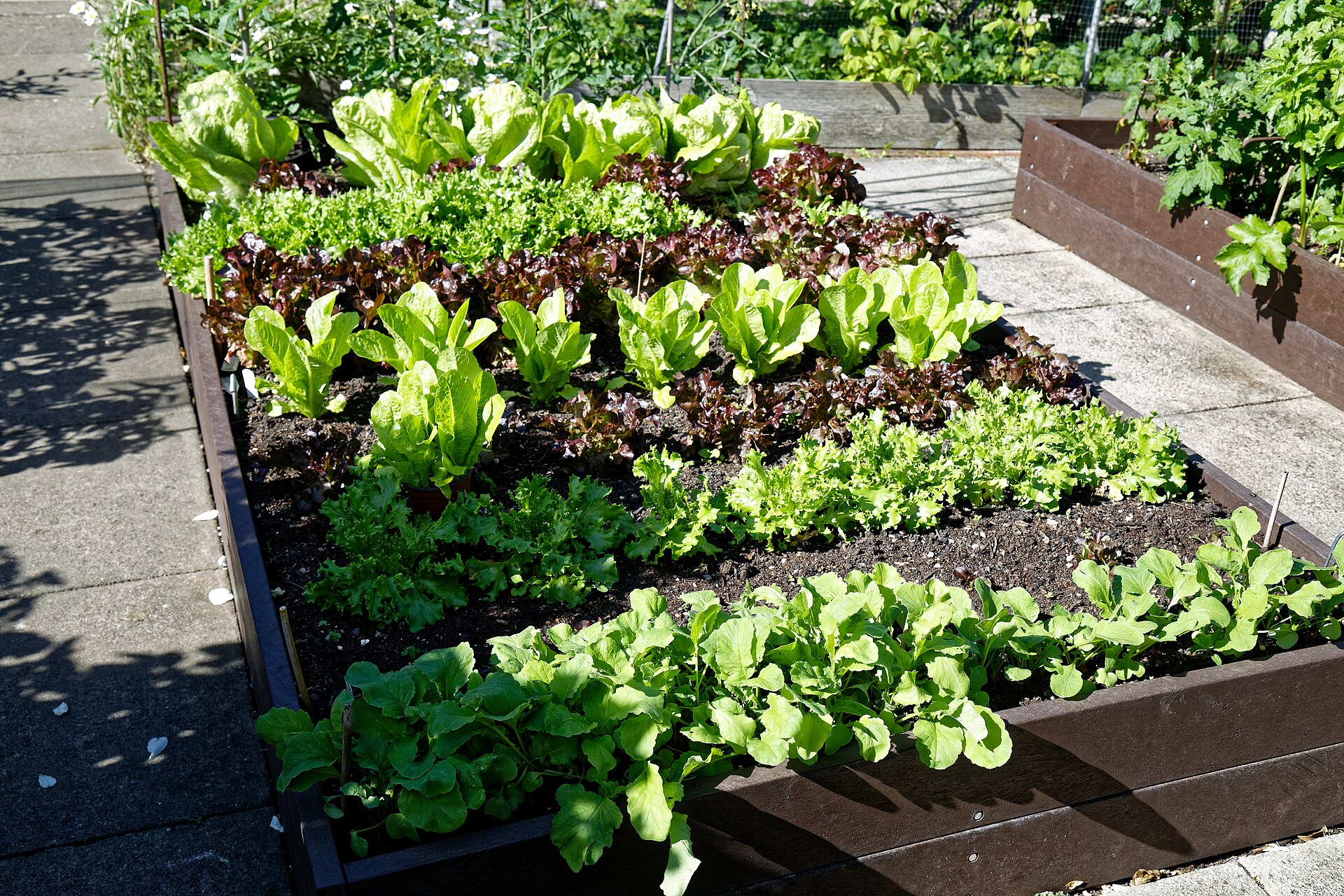
Many bungalow lots have room for vegetable beds, perennial gardens and a shed for tools. Check your municipality’s rules on shed size and setbacks before you build. Our backyard garden plan walks through layout ideas.
Entertaining
Many bungalows have patio doors from the kitchen straight to the yard, which makes hosting easy. A deck, a barbecue area and good outdoor lighting turn the backyard into a summer hobby in itself.
Planning checklist before you set up
- Power: count the outlets you need and ask an electrician about new circuits. Electrical permits apply.
- Ventilation: plan for fumes, dust and humidity.
- Noise: keep loud hobbies away from bedrooms and shared walls.
- Storage: use closed cabinets for dusty or hazardous items.
- Safety: add a fire extinguisher and keep smoke alarms working near workshops.
- Insurance: tell your insurer about expensive equipment or any hobby that becomes a home business.
Shopping for a hobby-friendly bungalow
If your hobby needs specific space, add it to your search criteria. Look for a full-height basement, a double garage or a large lot. You can browse bungalows with a two-car garage if a workshop is high on your list.
Frequently asked questions
Where should I put a workshop in a bungalow?
An attached garage or the basement usually works best. Both keep dust and noise away from living areas, and they can be wired for tools with an electrician’s help.
Can I turn a spare bedroom into a hobby room?
Yes. A spare main-floor bedroom makes a great craft, sewing or music room. Keep it easy to convert back to a bedroom if you plan to sell.
How do I soundproof a basement music room?
Add insulation between ceiling joists, use solid-core doors, seal gaps and add rugs and soft furnishings. A contractor can suggest more advanced options.
The bottom line on bungalow hobby spaces
A bungalow gives you more hobby space than most people expect. Match each activity to the right room, plan power and ventilation, and you will use those spaces every week.




Join The Discussion