
Aging in place renovations help you stay safely and comfortably in your own home as your needs change. The smartest approach is staged: make quick safety fixes now, plan moderate upgrades over the next few years, and design bigger changes so they’re easy to add later. A bungalow is the ideal starting point because there are no stairs between the rooms you use every day.
Key takeaways
- Plan in stages so you aren’t forced into rushed decisions later.
- Fall prevention is the top priority in every room.
- The bathroom and entrance usually need the most work.
- Universal design features look good and help every age.
- An occupational therapist can tailor the plan to you.
Why plan aging in place renovations early?
Many people wait until a fall or health change forces a renovation. Then the work is rushed, more expensive and stressful.
Planning early means you can spread the cost, choose good-looking products, and fold changes into renovations you’re doing anyway. If you’re replacing a tub in your 50s or 60s, a curbless shower is a smart choice.
Universal design principles help here. They focus on features that work for everyone, so your home stays comfortable for grandkids, guests and future buyers too. Read our overview of universal design principles for the full framework.
Stage 1: Quick safety fixes you can do now
These are low-cost changes most homeowners can do in a weekend or with a handyperson.
- Remove or secure loose rugs. Use non-slip pads under any you keep.
- Add night lights from the bedroom to the bathroom.
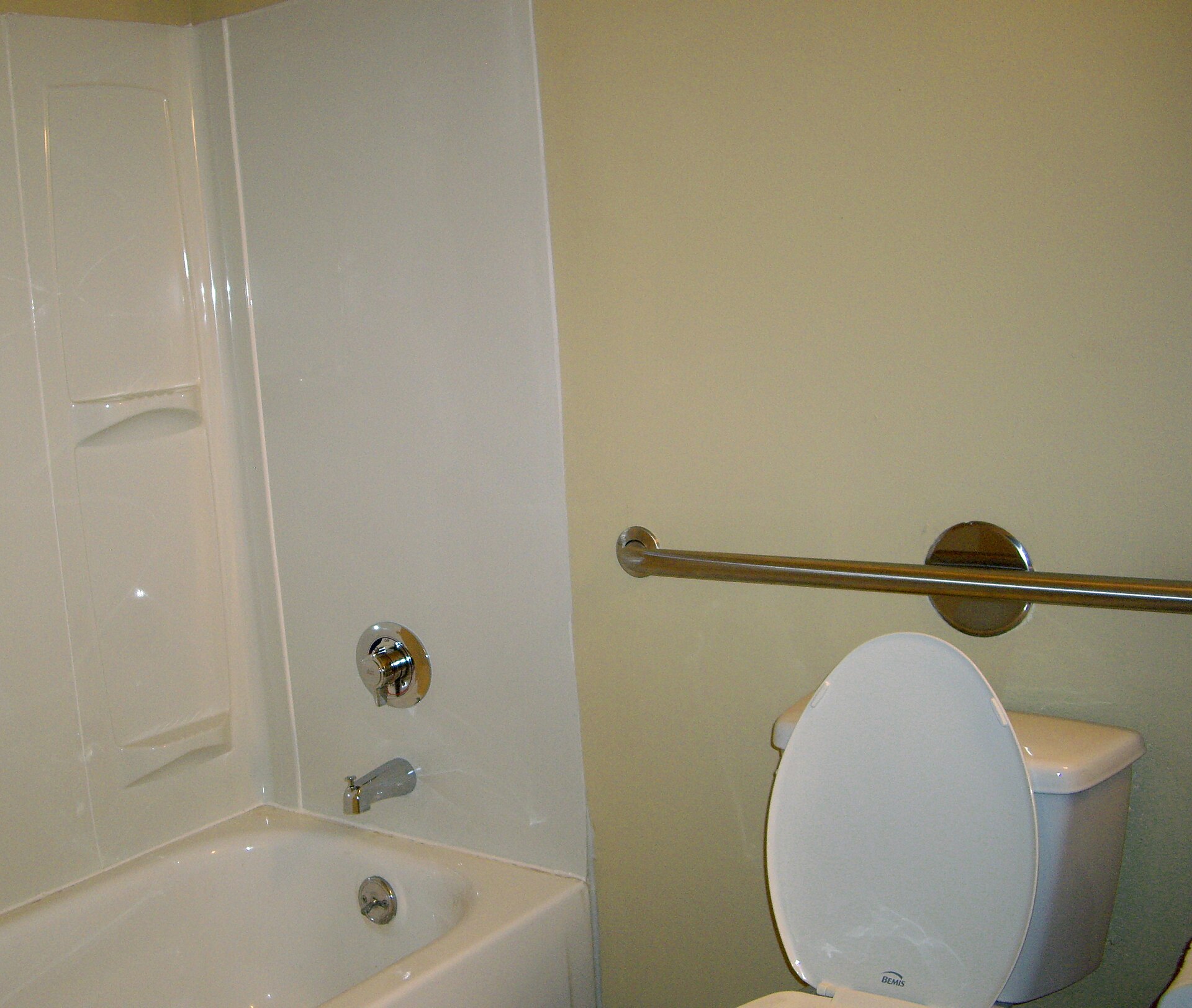
- Install grab bars beside the toilet and in the tub or shower, anchored into solid backing.
- Swap round doorknobs for lever handles.
- Add handrails on both sides of any steps, including entry and basement stairs.
- Move everyday items to shelves between knee and shoulder height.
- Test smoke and carbon monoxide alarms, and consider ones with a strobe light.
Bungalow tip: Walk through your home at night with only the lights you normally use. Anywhere you hesitate or reach for a wall is a spot that needs better lighting or a handrail.
Stage 2: Moderate upgrades over the next few years
These projects take more planning and usually a contractor. They make daily life noticeably easier.
Bathroom
- Replace the tub with a walk-in or curbless shower with a bench.
- Add a handheld shower head on a slide bar.
- Install a comfort-height toilet.
- Choose slip-resistant floor tile.
Laundry
If your laundry is in the basement, moving it to the main floor is one of the most valuable aging in place renovations. A closet or part of a spare bedroom can often fit a stacked washer and dryer.
Kitchen
- Replace base-cabinet shelves with pull-out drawers.
- Add under-cabinet lighting.
- Choose a cooktop with front controls.
Stage 3: Bigger changes to plan for
You may not need these right away. Designing for them now saves money later.
- A no-step entrance: a gentle ramp, regraded walkway or garage entry.
- Wider doorways: 36 inches is a common target for walker and wheelchair access.
- Bedroom-to-bathroom access: a more direct route, sometimes with a second door into the bathroom.
- Space for a caregiver: a spare bedroom or a basement suite that could house a family member or live-in help.
Simple technology that helps
Smart devices can support independence without major construction. A video doorbell lets you see visitors without rushing to the door. Smart thermostats and voice-controlled lights reduce trips across the room. Some families also use medical alert devices or simple check-in apps. Keep it simple and choose tools you’ll actually use.
Aging in place renovations at a glance
| Stage | Examples | Who usually does it |
|---|---|---|
| 1: Now | Grab bars, lighting, lever handles, rugs removed | Homeowner or handyperson |
| 2: Next few years | Walk-in shower, main-floor laundry, kitchen drawers | Contractor, plumber, electrician |
| 3: Plan ahead | No-step entry, wider doors, caregiver space | Contractor, designer, permits |
Costs vary widely by home and finish. Get several written quotes, and ask an accountant whether any federal or Ontario tax credits apply to your renovation.
Who should help you plan?
- An occupational therapist can assess how you move and recommend specific features.
- A contractor with aging in place experience knows the right products and how to install them.
- Your family should be part of the conversation, especially if they may help with care.
- An accountant or financial planner can help you budget and explain tax credits.
If your current home can’t be adapted easily, a move to a better-suited bungalow may make more sense. Our guide to bungalow living for seniors covers what to look for.
Frequently asked questions
What are the most important aging in place renovations?
Fall prevention comes first: grab bars, good lighting, handrails and removing trip hazards. After that, a walk-in shower and main-floor laundry make the biggest daily difference.
Is a bungalow the best home for aging in place?
It’s one of the best, because the kitchen, bedroom and bathroom are on one floor. Raised bungalows and split-levels have interior stairs, so check the layout carefully.
Do aging in place renovations hurt resale value?
Well-designed features like curbless showers, wide doorways and main-floor laundry appeal to many buyers. Clinical-looking equipment may need to be removed or updated before a sale.
When should I start planning?
Ideally before you need the changes. Any time you renovate a bathroom, kitchen or entry, build in aging in place features.
Stay in the home you love
Aging in place is easier with a plan. Start with simple safety fixes, schedule moderate upgrades, and design for bigger changes before you need them.
If you’re weighing whether to adapt your current home or move, a free home evaluation is a good first step. You can also browse condo bungalows if you’d like less outdoor upkeep.




Join The Discussion