
Solar panels can be a good fit for bungalows because a one-storey home has a large roof compared with its living space. Whether solar makes sense for you depends on roof direction, shade, roof age and how long you plan to stay. This guide walks through each factor and what to ask before you sign a contract.
Key takeaways
- South-, east- and west-facing roofs with little shade give the best results.
- Replace an aging roof before installing panels.
- In Ontario, solar homes usually stay grid-connected and use net metering.
- Get several quotes and confirm who owns the system before you buy a solar home.
Why bungalows suit solar panels
In a two-storey home, the roof covers half the living space. In a bungalow, it covers all of it. That extra roof area relative to energy use makes it easier to offset a meaningful share of your electricity.
Bungalow roofs are also lower and simpler, which can make installation and future maintenance safer and easier. Hip roofs with many small faces are less ideal, while long, simple gable roofs work well.
Is your roof a good candidate?
Run through this quick checklist before you call installers:
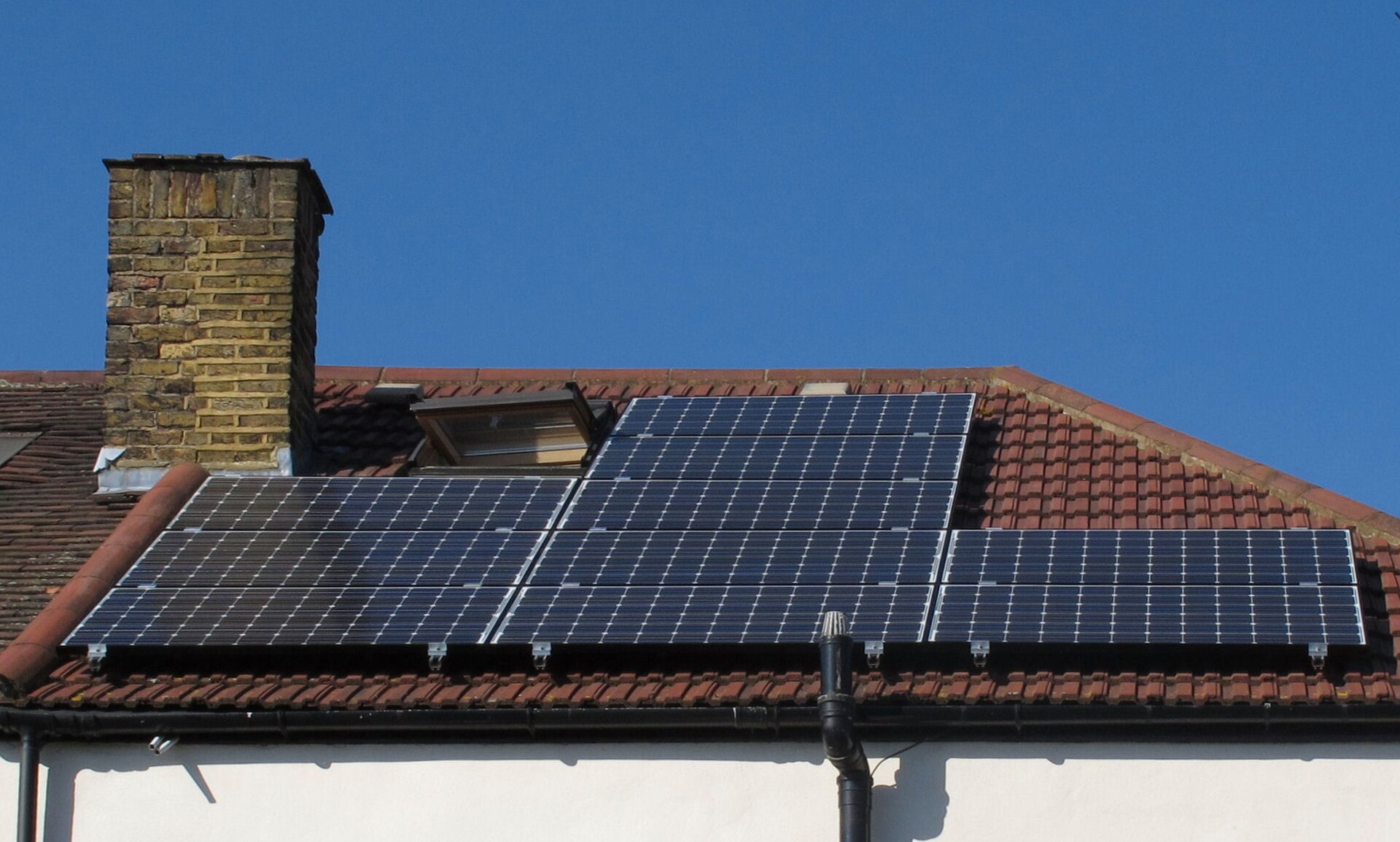
- Direction: South-facing is best. East and west can still work well.
- Shade: Mature trees, neighbouring homes or chimneys can cut production sharply.
- Roof age: If your shingles have only a few years left, re-roof first. Removing panels later adds cost.
- Structure: An installer or engineer should confirm the roof can carry the panels plus snow load.
- Space for equipment: You need room for an inverter and possibly a battery, often in the garage or basement.
Bungalow tip: Mature trees are a big selling point in older GTA neighbourhoods but can shade a low bungalow roof. Look at the roof at different times of day before deciding.
How solar works in Ontario
Most residential systems in Ontario are grid-tied. When your panels make more electricity than you use, the extra flows to the grid. Under net metering, you receive credits that offset the power you draw at night and in winter.
Ontario winters bring short days and snow cover, so production drops in December and January. Summer makes up the difference. Programs, credits and rules change over time, so check the current rules with your local utility before you plan.
What a typical installation involves
Most projects follow the same path. An installer reviews your bills and roof, often using satellite images first. Next comes a site visit, a design and a written quote. After you sign, the installer handles permits and the utility connection request. The physical install itself often takes only a few days, but approvals can take longer.
Once the system is running, maintenance is light. Panels have no moving parts. You mainly watch the monitoring app, keep an eye on the inverter and let snow slide off on its own rather than climbing up to clear it.
Do you need a battery?
A battery stores solar power for evening use or outages. It adds cost, so many owners skip it at first. If power outages are common in your area, a battery or backup generator may be worth it.
Solar costs and payback: what affects them
| Factor | How it affects your result |
|---|---|
| System size | Bigger systems cost more but produce more |
| Roof direction and shade | Determines how much power each panel makes |
| Your electricity use | Higher use, such as an EV or heat pump, means more to offset |
| Rebates and financing | Can shorten payback when available |
| How long you stay | Payback takes years, so short stays capture less value |
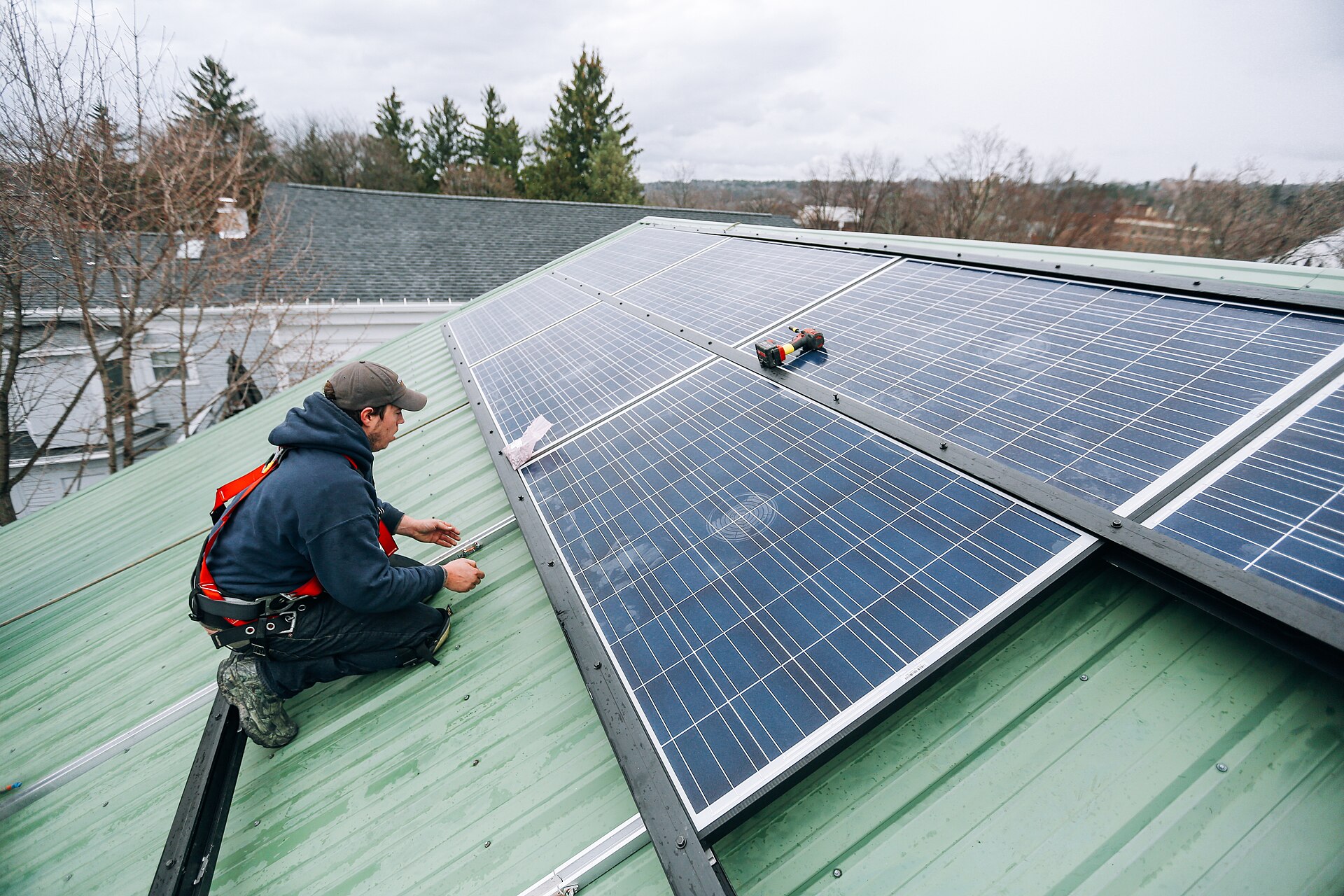
Prices vary widely by installer and home. Get at least three written quotes that show estimated yearly production, equipment brands and warranties.
Buying or selling a bungalow with solar panels
Solar can be a plus at resale, but paperwork matters. If you are buying, ask:
- Are the panels owned outright, leased or financed?
- Are there any contracts or liens that transfer with the home?
- What do the last 12 months of production and utility bills show?
- What warranties remain on panels, inverter and installation?
- Were permits and electrical inspections completed?
Your real estate lawyer should review any solar agreement before closing. If you are selling, gather these documents early so buyers feel confident.
Make your bungalow efficient first
Solar works best on a house that does not waste energy. Insulation, air sealing and an efficient heat pump reduce how many panels you need. Our guide to energy efficient home renovations shows the order to tackle upgrades, and our post on what a net zero home is explains where solar fits in the bigger picture.
Bungalow tip: Planning an EV? Size your solar system with that future charging load in mind, so you do not have to add panels later.
Frequently asked questions
Do solar panels work in Ontario winters?
Yes, but output drops with short days and snow cover. Summer production usually makes up for it over the year under net metering.
Will solar panels raise my home insurance?
Some insurers adjust coverage or premiums for rooftop solar. Tell your insurance broker before installation so your policy covers the system.
Do I need a permit for rooftop solar?
Typically you need a building permit and an electrical inspection, plus approval from your local utility to connect. A reputable installer should handle these steps.
The bottom line on solar for bungalows
A sunny, unshaded bungalow roof in good condition can be an excellent place for solar. Make the home efficient first, compare quotes carefully and keep every document.
Looking for a bungalow with a south-facing roof or panels already installed? Create listing alerts and tell us what you are after.

Join The Discussion