

To design your home around your lifestyle, start by tracking how you actually use each room, then change layouts, storage and furniture to support those routines. A bungalow is easy to tailor because everything sits on one level and rooms can switch roles as life changes. This guide walks you through a simple lifestyle audit and ideas for different households.
Key takeaways
- Design for the life you live now, not a magazine photo.
- A one-week routine audit reveals what’s not working.
- Rooms can change roles; a dining room might be better as an office.
- Storage should sit where the activity happens.
- Revisit your setup whenever your household changes.
Step 1: Do a one-week lifestyle audit
Most homes are set up the way the last owner, or the builder, expected. That may not match your life. For one week, notice how you really use the space.
- Which rooms do you use daily, and which barely at all?
- Where does clutter pile up?
- Where do you wish you had a counter, outlet or shelf?
- Where do people bump into each other?
- What do you do for fun, and where do you do it?
Write the answers down. Patterns appear fast. A formal dining room used twice a year, a kitchen table covered in work papers and bikes in the hallway all point to changes worth making.
Step 2: Let rooms earn their roles
Room labels on a floor plan are suggestions. In a bungalow, rooms are close together and easy to repurpose.
| Original room | Could become | Good fit for |
|---|---|---|
| Formal dining room | Home office or library | Remote workers, readers |
| Third bedroom | Hobby room, gym or guest room | Crafters, fitness fans, frequent hosts |
| Front living room | Music room or quiet lounge | Musicians, households with teens |
| Basement | Family room, workshop or rental unit | Families, DIYers, investors |
| Garage | Workshop or home gym (with parking elsewhere) | Hobbyists |
For layout help, see our guide to bungalow furniture layout.
Step 3: Put storage where life happens
Clutter usually means storage is in the wrong place. Store things at the point of use.
- Entry: hooks, a bench and bins for shoes, bags and keys.
- Kitchen: a station for coffee, lunches or baking, with everything in one zone.
- Living room: closed storage for games, remotes and kids’ toys.
- Office: a drawer or cabinet for paperwork so it doesn’t migrate to the kitchen table.
- Garage or side door: racks for bikes, sports gear and garden tools.
Our post on bungalow storage ideas has more specific solutions.
Step 4: Tailor the bungalow to your household
Here are general scenarios showing how different households might adapt the same three-bedroom bungalow. They’re examples, not real homeowners.
A couple who both work from home
Two separate workspaces matter most. One bedroom becomes an office. The other works from a desk in the dining area or a basement office, so video calls don’t overlap.
A young family
Kids’ bedrooms stay close to the main bedroom. The basement becomes a playroom, keeping toys out of the living room. A mudroom bench at the side door handles boots and backpacks.
Empty nesters
The main floor is set up for easy daily living, with laundry moved upstairs. One spare room stays ready for visiting grandkids. The basement may become a hobby area or a rental suite.
Frequent hosts
An open kitchen with a large island, a dining table that extends and a guest room with its own storage. A backyard patio steps directly from the kitchen.
Gardeners and outdoor lovers
A potting bench and tool storage near the back door. Big windows over the yard. A washable floor at the back entry.
Bungalow tip: Before a big renovation, try a new room setup for a month using furniture you already own. If it works, invest. If it doesn’t, you’ve lost nothing.
Step 5: Add personal touches that matter
Personalization isn’t only about function. Your home should feel like yours.
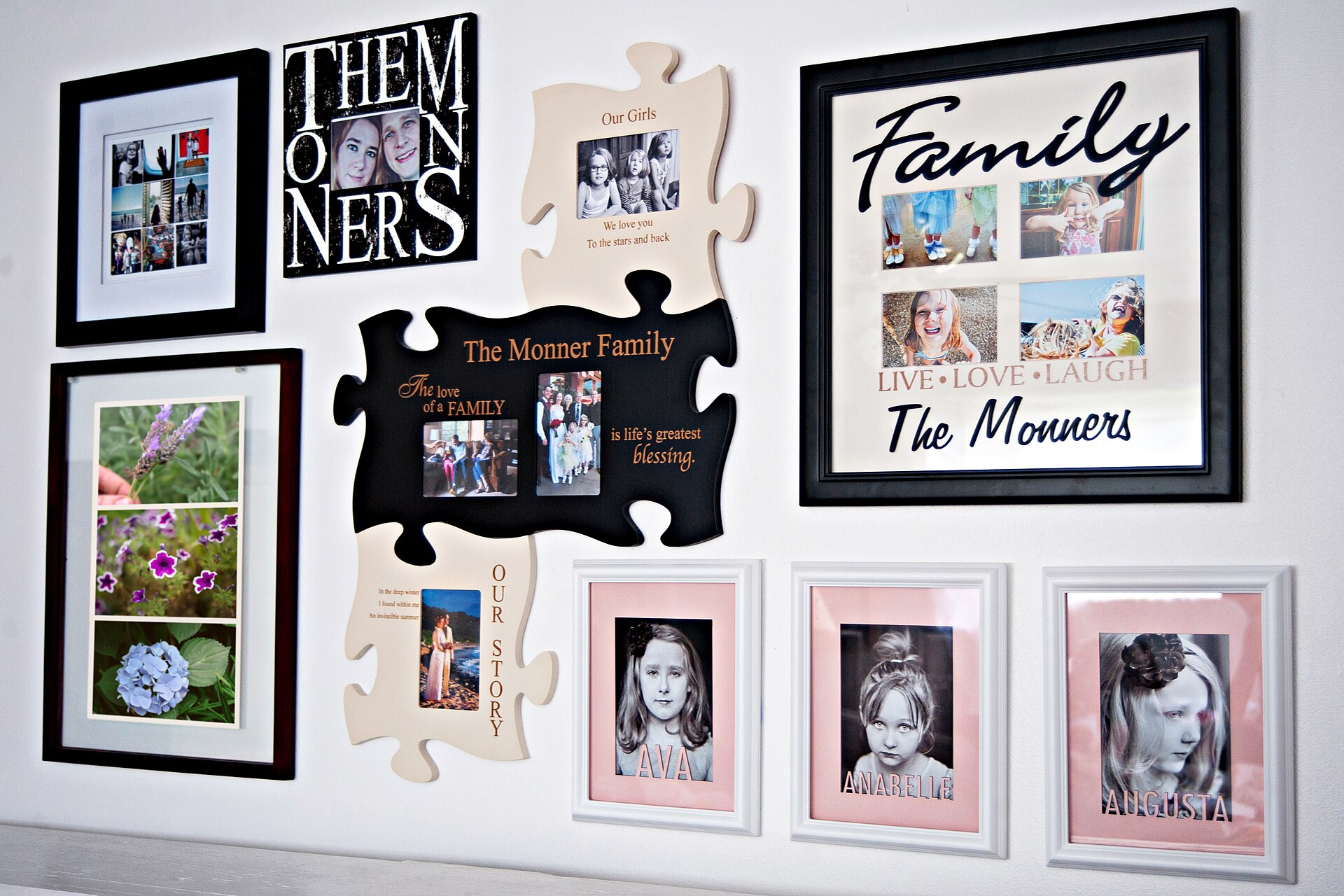
- Display things with meaning: family photos, travel finds, kids’ art.
- Choose colours you love in rooms you spend time in.
- Make space for your hobbies to stay out, not packed away.
- Add comfort where you rest: a great reading chair, good bedding, soft light.
Keep it edited. A few meaningful pieces stand out more than a crowded shelf. Rotate items with the seasons so the home feels fresh without adding more stuff.
Frequently asked questions
How do I start personalizing my home?
Track how you use each room for a week. Then fix the biggest friction point first, such as clutter at the entry or no place to work.
Is it okay to use rooms differently than intended?
Yes. A dining room can be an office and a bedroom can be a gym. Just keep in mind that buyers may want to see the original room use when you sell, so staging may help later.
Which bungalow rooms are easiest to repurpose?
Spare bedrooms, formal dining rooms and basements are usually the easiest. They often need only furniture changes, better lighting and some storage, not construction.
Do personalized changes hurt resale value?
Easily reversible changes, like furniture and paint, rarely hurt. Very specific permanent changes may narrow your buyer pool, so keep major renovations broadly appealing.
Make your home fit you
A home that fits your routines feels calmer and works harder. Audit how you live, let rooms earn their roles, store things where you use them and add the touches that make it yours.
If your current home can’t stretch to fit your life, explore bungalows for sale or try Bungalow Swipe to discover layouts you like.



Join The Discussion