
Community gardens in the GTA give residents shared land to grow food and flowers, usually through a small yearly plot fee and a waitlist run by the city, a local group or a faith or community organization. If you own a bungalow with a decent yard, you can also bring urban farming home with vegetable beds, fruit trees and pollinator gardens, as long as you follow your municipality’s by-laws.
Key takeaways
- Most community gardens assign plots through a waitlist, so apply early.
- Community gardens build neighbourhood connections as much as harvests.
- Bungalow lots are often large enough for meaningful backyard food growing.
- Rules on things like backyard hens and front-yard gardens vary by city.
What is a community garden?
A community garden is a shared piece of land divided into individual plots, shared beds or both. Gardens can sit in parks, on school grounds, beside places of worship or on land owned by housing providers.
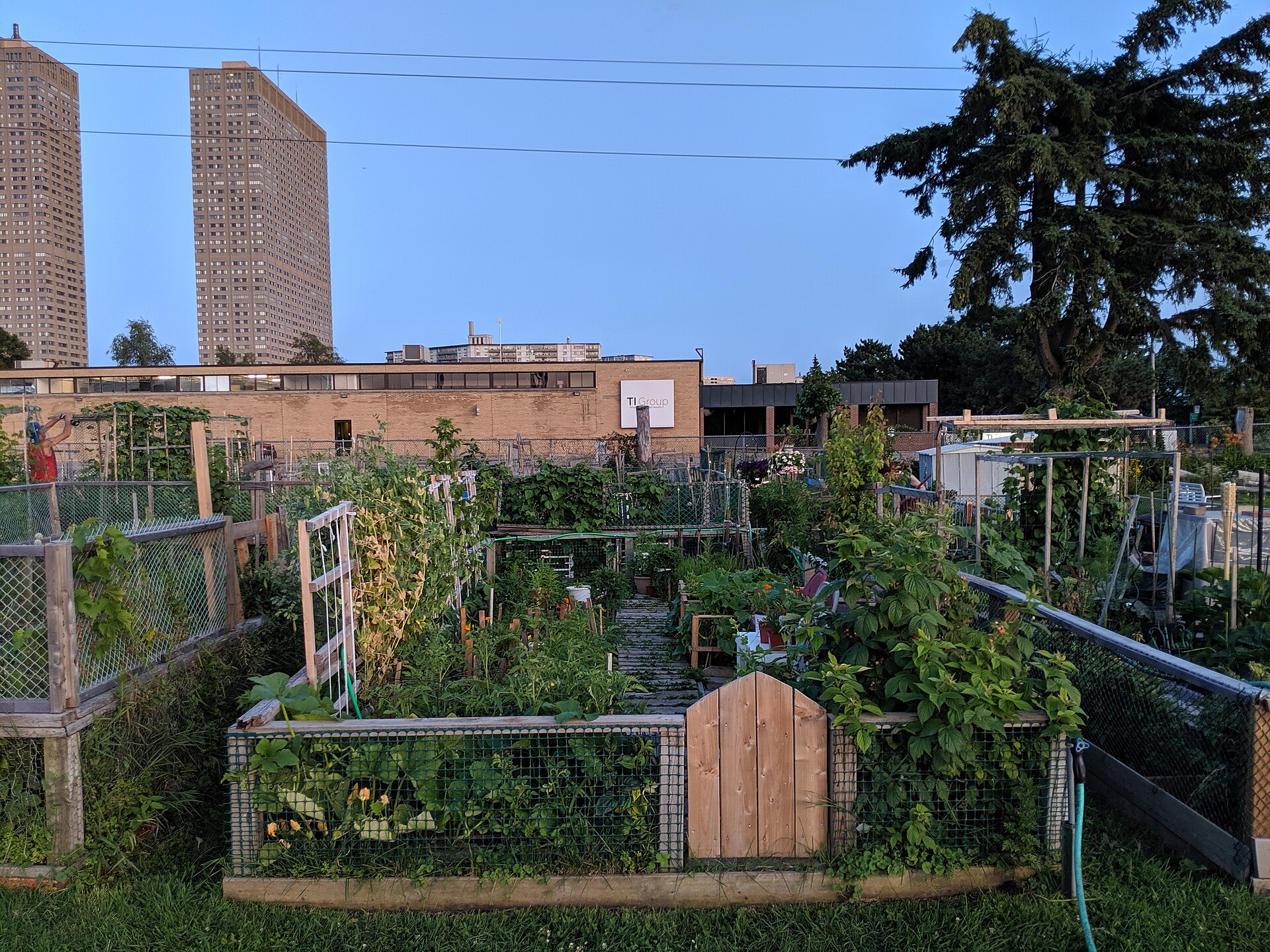
Members usually pay a modest seasonal fee, agree to garden rules and help with shared chores like watering paths and turning compost. In return, you get growing space, access to water and tools, and a group of neighbours who love to garden.
Gardens tend to follow one of two models. In an allotment-style garden, each member tends a personal plot and keeps the harvest. In a communal garden, everyone works shared beds and divides the produce, or donates some to local food programs. Many GTA gardens mix both.
Knowing the model helps you pick the right fit. If you want control over what you grow, look for individual plots. If you mainly want company and learning, a communal garden may suit you better.
How to find and join a community garden in the GTA
- Check your city’s website. Toronto, Mississauga, Brampton, Markham, Hamilton and other GTA cities list community gardens and how to apply.
- Ask local organizations. Libraries, community centres, schools and faith groups often run or know of gardens.
- Join the waitlist early. Popular gardens fill fast, and many assign plots in late winter or early spring.
- Visit in season. Walk through on a weekend and chat with members about how the garden runs.
- Volunteer. Helping with shared beds is a good way in while you wait for a plot.
Bungalow tip: Moving to a new area? Ask about nearby community gardens when you view homes. A garden within walking distance can be a great way to meet neighbours fast.
Benefits of community gardening
- Fresh food close to home, including crops that are pricey in stores.
- Social connection across ages and backgrounds.
- Learning from experienced gardeners who know local soil and weather.
- Healthy outdoor activity that is gentle on the body.
- Greener neighbourhoods with more pollinators and less pavement.
For many downsizers moving from a big family home to a bungalow or condo bungalow, a community plot keeps the joy of gardening without a large yard to maintain.
Urban farming in your own bungalow backyard
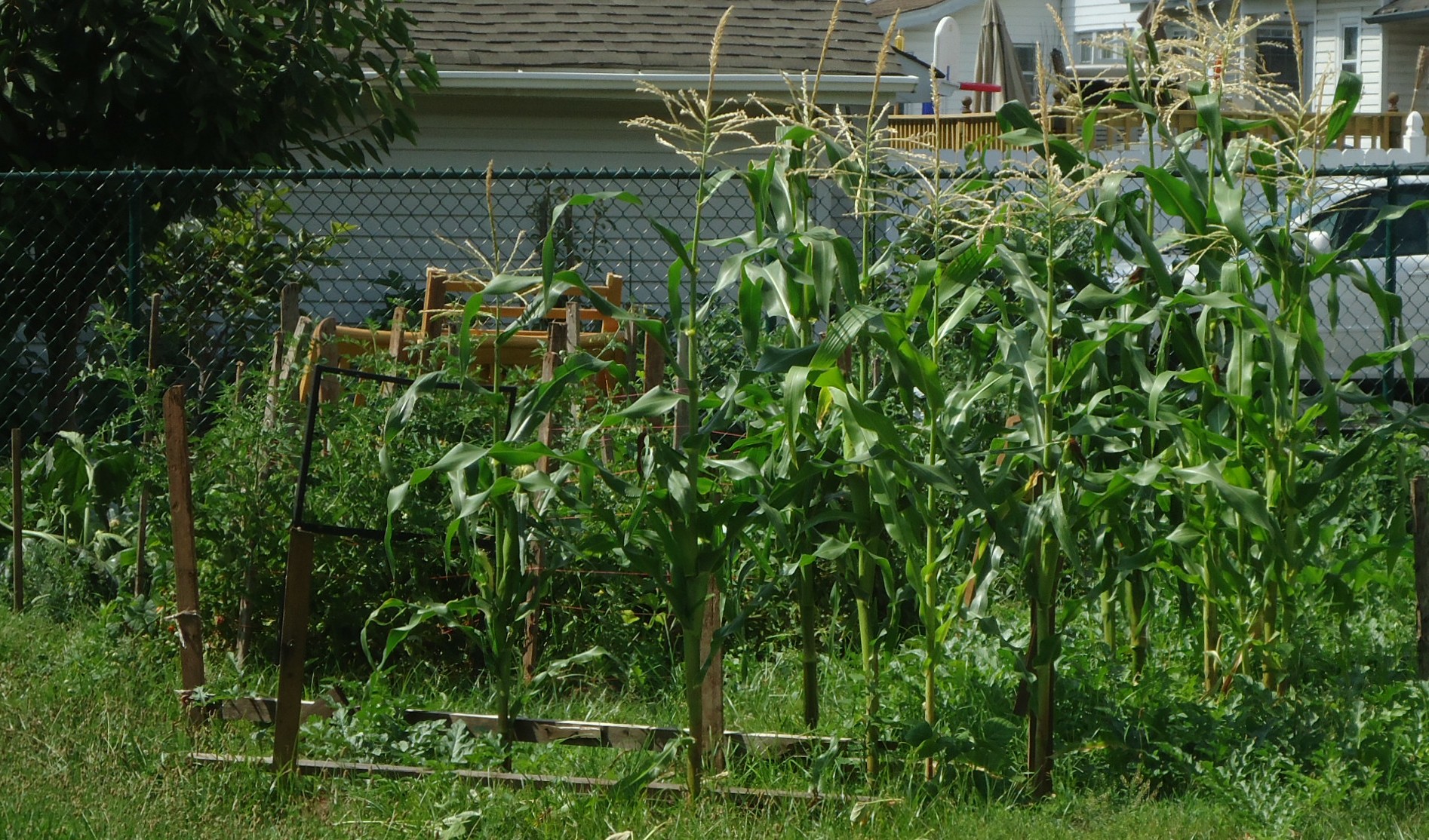
Bungalows built in the 1950s to 1970s across Scarborough, Etobicoke, Brampton, Oshawa and Hamilton often sit on generous lots. That space can support far more than a lawn.
| Idea | Space needed | Effort | Notes |
|---|---|---|---|
| Raised vegetable beds | Small to medium | Moderate | Best in full sun |
| Fruit trees or berry bushes | Medium | Low once established | Choose cold-hardy varieties |
| Pollinator garden | Any | Low | Native flowers support bees and butterflies |
| Composting | Small | Low | Use a closed bin to discourage pests |
| Rain barrels | Small | Low | Free water for gardens |
Our guide to raised bed gardening in Ontario covers setup and planting dates in detail.
Know the rules before you farm
Municipal by-laws shape what you can do in a residential yard. Before you start, check:
- Backyard hens and bees: Permitted in some municipalities or pilot areas and not in others. Check current rules with your city.
- Front-yard gardens: Usually allowed, but property standards and sightline rules apply near corners and driveways.
- Structures: Sheds, greenhouses and large pergolas may need permits or must meet setback rules.
- Composting: Bins should be closed and kept tidy to avoid rodent complaints.
- Selling produce: Selling from home can involve zoning and food safety rules.
Condo and freehold townhome owners should also check the condo declaration or any community rules.
Sharing the harvest with your street
You do not need a formal garden to build community. Many neighbourhoods start small projects that bring people together:
- A seed or seedling swap on a spring weekend.
- A shared tool library for rarely used equipment.
- A front-yard produce share table in late summer.
- A boulevard pollinator planting, if your city allows it.
Bungalow tip: Low bungalow rooflines and wide lots mean more sky and more sun reaching the yard. When house hunting, check which way the backyard faces if growing food matters to you.
Frequently asked questions
How much does a community garden plot cost?
Fees vary by city and organization, and many are modest seasonal amounts. Some gardens offer reduced fees, so ask the garden coordinator.
Can I keep chickens in my backyard in the GTA?
It depends on your municipality. Rules differ across GTA cities and can change, so check your city’s current animal by-law before getting hens.
What if there is no community garden near me?
Ask your city or local councillor about starting one, or team up with neighbours on a shared backyard garden. Many gardens began with a few motivated residents.
The bottom line on community gardens and urban farming
Whether you join a local plot or turn your own bungalow backyard into a mini farm, growing food builds health, savings and neighbourhood ties. Start small, learn the local rules and grow from there.
Want a yard with room to grow? Explore homes in Brampton or across Durham Region, or set up listing alerts for bungalows with big lots.

Join The Discussion