
You can lower home energy bills in a bungalow by tackling three layers: daily habits that cost nothing, quick fixes under a few hundred dollars, and larger upgrades when equipment wears out. Heating and cooling are usually the biggest costs in Ontario, so most of the savings come from keeping conditioned air inside and running your systems smarter.
Key takeaways
- Heating and cooling are the biggest energy costs in most Ontario homes.
- Free habit changes can trim bills right away.
- Weatherstripping, caulking and attic hatch sealing are cheap, high-value fixes.
- Save big upgrades for when old equipment is due for replacement.
Where a bungalow’s energy goes
In a typical Ontario home, space heating uses the largest share of energy, followed by water heating. Appliances, lighting, electronics and summer cooling make up the rest.
Bungalows have one twist: a big attic and a big foundation compared with their living space. That means heat escaping through the ceiling and basement has a large effect on your bill.
Your local utility likely offers an online dashboard showing usage by hour or day. Check it before and after changes so you can see what actually works.
No-cost habits that save energy
- Lower the thermostat a few degrees at night and when you are out.
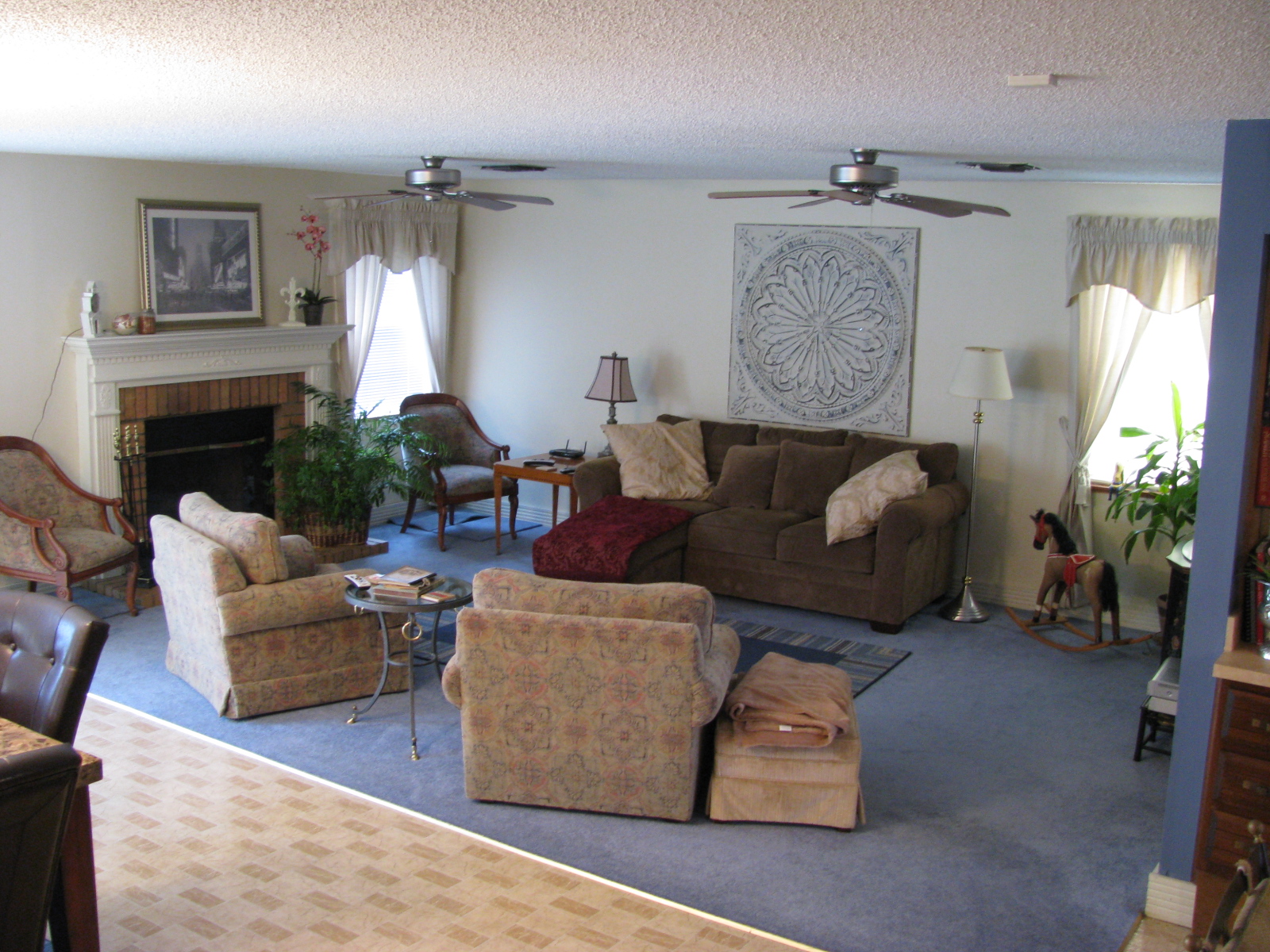
- In summer, set the AC a little higher and use ceiling fans.
- Close blinds on sunny summer afternoons and open them on sunny winter days.
- Wash clothes in cold water and run full loads only.
- Air-dry dishes instead of using the heated dry setting.
- Run big appliances during off-peak hours if your electricity plan rewards it.
- Turn off and unplug electronics you rarely use.
- Keep furniture and rugs off heating and return vents.
Bungalow tip: Close doors to rooms you rarely use, like a spare bedroom, only if your HVAC contractor confirms it will not unbalance airflow. Some systems run less efficiently when vents are blocked.
Low-cost fixes with fast payback
- Weatherstripping on exterior doors, including the door from the garage.
- Caulking gaps around window trim and baseboards on exterior walls.
- Attic hatch sealing with weatherstripping and a rigid insulation cover.
- Outlet gaskets on exterior walls to stop small drafts.
- LED bulbs in every fixture you use regularly.
- Low-flow showerheads to cut hot water use.
- Pipe insulation on the first few metres of hot water pipe from the tank.
- Smart power bars for TVs and computer setups.
Keep your heating and cooling in top shape
A neglected system wastes energy. Change the furnace filter on schedule, book yearly servicing and keep outdoor units clear of leaves and snow.
A programmable or learning thermostat automates your setbacks. Our post on learning thermostat benefits explains when they pay off, and our bungalow HVAC care tips cover simple upkeep.
Bigger upgrades worth planning
When equipment or materials reach the end of their life, choose efficient replacements.
| Upgrade | Main savings | Best timing |
|---|---|---|
| Attic air sealing and insulation | Heating and cooling | Anytime, or with a re-roof |
| Basement wall insulation | Heating, comfort | Before finishing a basement |
| Cold-climate heat pump | Heating and cooling | When the furnace or AC fails |
| Heat pump water heater | Water heating | When the tank nears end of life |
| ENERGY STAR appliances | Electricity, water | When old appliances fail |
| Windows and doors | Comfort, drafts | When units fail or fog |
For the right order to tackle these, read our guide to energy efficient home renovations. Rebates come and go, so check current federal, provincial and utility programs before you buy.
Use your basement to your advantage
Many bungalows have a full basement, and it can help or hurt your energy bill. A damp, uninsulated basement makes the whole house feel colder in winter and clammy in summer.
- Run an ENERGY STAR dehumidifier in humid months instead of lowering the AC.
- Seal and insulate the rim joist, where the floor framing meets the foundation.
- Keep basement windows closed on hot, sticky days to keep moisture out.
- Spend hot afternoons in a finished basement room, which stays naturally cooler.
Check a bungalow’s energy costs before you buy
When you shop for a home, energy costs are part of the real monthly price. Ask the seller’s agent for a year of utility bills and the age of the furnace, AC, water heater and windows.
- Look for ice dams or uneven snow melt on the roof in winter.
- Feel for drafts near windows and outlets during showings.
- Ask whether an energy audit has been done.
- Check the attic insulation depth with your home inspector.
Our mortgage and affordability calculators help you factor these costs into your budget.
Bungalow tip: Two similar bungalows on the same street can have very different energy bills. Updated insulation and newer mechanicals are worth asking about at every showing.
Frequently asked questions
What uses the most energy in an Ontario home?
Space heating is usually the largest share, followed by water heating. That is why insulation, air sealing and efficient heating offer the biggest savings.
Is it cheaper to leave the heat on all day or turn it down?
Turning the heat down when you are asleep or away generally saves energy. Heat pump owners should use moderate setbacks so the system does not rely on backup heat.
Do energy-efficient homes sell for more?
They can be more appealing, especially when buyers can see lower bills, but there is no guaranteed premium. Location and condition still matter most.
The bottom line on cutting energy bills
Start with free habits, add cheap fixes this weekend and plan bigger upgrades as equipment ages. Together they can make a noticeable difference to your monthly costs and comfort.
Shopping for an efficient home? Set up listing alerts and we will send matching bungalows as they hit the market.




Join The Discussion