
Cohousing in Ontario is a way of living where households have their own private homes but share some space, meals or chores by choice. Bungalows suit cohousing well because one-level layouts, big lots and basements can be divided into private suites with shared areas, as long as zoning, building code and a solid co-ownership agreement support the plan.
Key takeaways
- Cohousing mixes private living space with shared areas like kitchens, gardens or workshops.
- In Ontario, it can be organized as co-ownership, a condo, a co-op or a rental arrangement.
- Provincial rules allow up to three units on most serviced urban lots, subject to local zoning.
- A written co-ownership agreement is essential before buying with others.
- Lenders, insurers and lawyers each need to understand the structure early.
What is cohousing?
Cohousing is a planned form of shared living. Each household has its own private space, such as a suite with a bedroom, bathroom and kitchenette. The group shares other areas, which might include a big kitchen, a garden, a laundry room or a workshop.
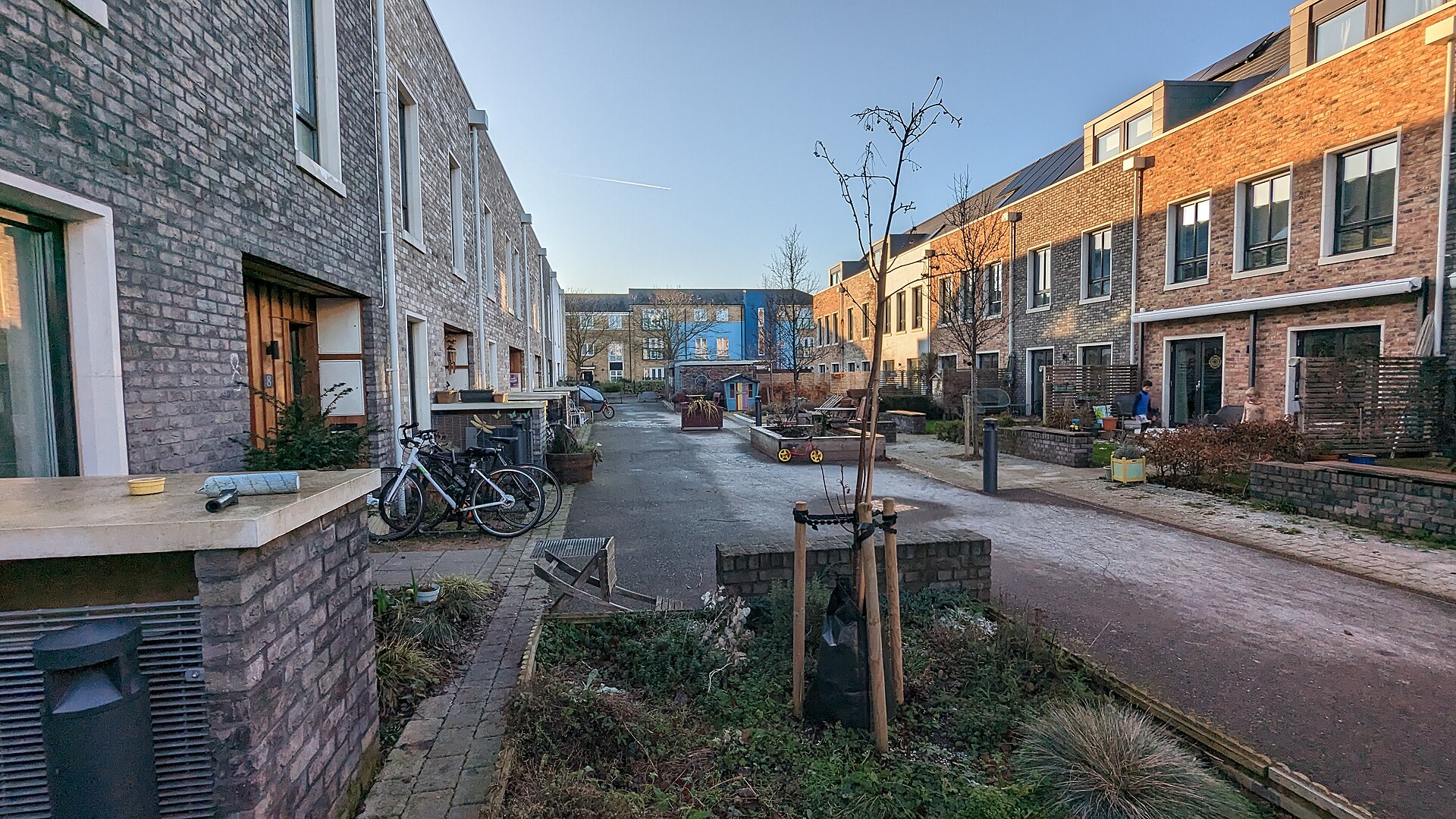
It’s different from having roommates. Cohousing members usually choose to live together for the long term. They make decisions as a group and often share some meals or childcare.
Interest in this model is growing in Ontario. High home prices, aging parents and a wish for community all play a role.
Why bungalows suit shared living
Bungalows have features that make shared living easier:
- One-level main floor: easier for older members and anyone with mobility needs.
- Full basements: often big enough for a self-contained suite with its own entrance.
- Wide lots: room for a garden suite or a shared garden in many GTA neighbourhoods.
- Simple structures: generally easier to adapt than complex multi-level homes.
Ontario’s More Homes Built Faster Act allows up to three residential units on most serviced urban lots. That might mean the main house, a basement unit and a garden suite. You still need to follow the municipality’s zoning by-law, the Ontario Building Code and the Fire Code, and permits are required.
Browse bungalows with a separate entrance to find homes that are easier to divide. Our post on garden suites in Toronto explains the backyard unit option.
Common ways to structure cohousing
There’s no single legal form. Here are the main options.
| Structure | How it works | Best for |
|---|---|---|
| Co-ownership (tenants in common) | Each person owns a share of the property | Small groups of friends or family buying one bungalow |
| Condominium | Each household owns a unit, with shared common elements | Larger planned communities |
| Co-operative | Members own shares in a co-op that owns the property | Groups wanting equal say and shared control |
| Owner plus tenants | One owner rents suites to members | Families housing parents or adult children |
Each structure affects financing, taxes and what happens when someone leaves. A real estate lawyer and an accountant can help you pick the right fit.
The co-ownership agreement: don’t skip it
If you buy a bungalow with other people, put your arrangement in writing. A good co-ownership agreement covers:

- Who owns what share, and who paid what at purchase.
- How mortgage payments, taxes, insurance and repairs are split.
- Which spaces are private and which are shared.
- How decisions are made and how disagreements are settled.
- What happens if someone wants to sell, can’t pay, or passes away.
- How a departing member’s share is valued and bought out.
This is legal territory, so have a real estate lawyer draft or review the agreement. It protects friendships as much as money.
Bungalow tip: Talk about the hard scenarios before you buy, such as a job loss, a breakup or a member who wants to leave. Groups that agree on these early tend to last.
Financing and insurance for shared homes
Lenders look at every borrower on the mortgage. All co-owners usually need to qualify, and as of September 2026 each must pass the stress test at the higher of the contract rate plus 2% or 5.25%.
Some lenders are more comfortable with co-ownership than others. If your group is also thinking about investing together, our post on bungalow investment clubs and joint ventures covers how those partnerships are set up. A mortgage agent can point you toward lenders who handle these files regularly.
Insurance needs care too. A standard policy may not fit a home with several households or rental suites. Tell your insurance broker exactly how the home will be used.
Is cohousing right for you?
Cohousing works best for people who value community and are willing to compromise. It can lower costs, ease childcare and help older family members stay independent.
It’s harder for people who want full control over their space and decisions. Spend time living or travelling with potential co-owners before you commit. Then work through our buyers guide to plan the purchase itself.
Frequently asked questions
Is cohousing legal in Ontario?
Yes. Groups can share a home through co-ownership, a condo, a co-op or a rental setup. Adding separate units still requires permits and compliance with local zoning and building codes.
Can friends buy a bungalow together?
Yes, many do as tenants in common. Each buyer usually needs to qualify for the mortgage, and a written co-ownership agreement drafted with a lawyer is strongly recommended.
How many units can a bungalow lot have in Ontario?
Provincial rules allow up to three residential units on most serviced urban lots, such as the main home, a basement unit and a garden suite. Local zoning and permit rules still apply.
The bottom line on cohousing in Ontario
Cohousing turns a bungalow into a shared home with private space for everyone. The model works when the property, the zoning and the people all fit, and when the agreement is clear from day one.
Start with the right home and the right advisors. A lawyer, a mortgage agent and an insurance broker should all understand your plan before you make an offer.

Join The Discussion