
Bungalows are in demand in Ontario because many different buyers want one-level living at the same time, while very few new bungalows are being built. Downsizers, young families, multigenerational households and investors all compete for the same limited supply. Understanding both sides of that equation helps you buy smarter or sell at the right price.
Key takeaways
- An aging population wants homes without stairs, which keeps bungalow demand steady.
- Bungalows suit multigenerational families and investors looking for suite potential.
- High land costs mean builders rarely put up new detached bungalows in the GTA.
- Tight supply means good bungalows can still draw strong interest in a balanced market.
Who is driving bungalow demand?
Few home types appeal to as many buyer groups as the bungalow. That broad appeal is the foundation of its popularity.
Downsizers and aging homeowners
Many Ontario homeowners want to stay in their community but avoid stairs. A bungalow lets them age in place with fewer changes. Features like no-step entries, main-floor laundry and walk-in showers make it even easier.
Multigenerational families
Families combining households like bungalows with full basements. Grandparents can live on the main floor while adult children or grandkids use the lower level, or the other way around.
Young families
Parents of young children love having bedrooms on one floor and a backyard just steps from the kitchen.
Investors and house hackers
Ontario allows up to three units on most serviced urban lots. A bungalow with a separate entrance can become a main unit plus a basement suite, and sometimes a garden suite too. See investor-friendly bungalows for examples.
Why bungalow supply is so limited
Demand is only half the story. The other half is that very few new detached bungalows get built in the GTA.
- Land costs: A bungalow needs a bigger footprint for the same living space. When land is expensive, builders prefer two-storey homes and townhouses.
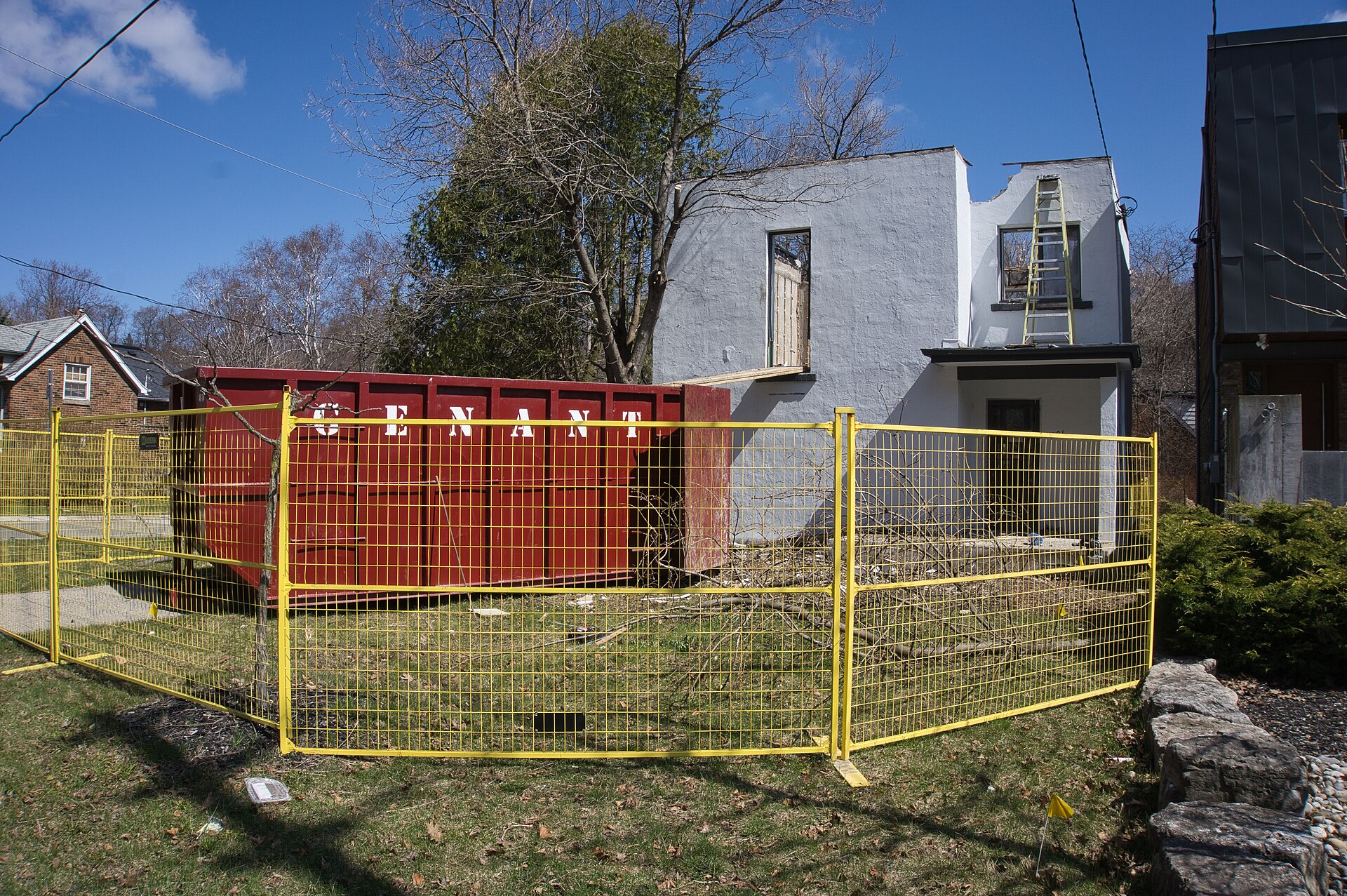
- Redevelopment: Some older bungalows on large lots are torn down and replaced with larger homes.
- Owners stay put: Bungalow owners often stay for decades, so fewer come up for sale.
- Renovations: Some bungalows get second storeys and are no longer bungalows at all.
Demand vs supply at a glance
| Demand drivers | Supply limits |
|---|---|
| Aging population wanting no stairs | High land costs discourage new bungalows |
| Multigenerational living | Older bungalows replaced by bigger homes |
| Rental suite potential | Long-term owners rarely sell |
| Large lots and mature trees | Some bungalows get second-storey additions |
| Simpler maintenance | New developments favour townhomes and condos |
The lifestyle reasons behind the demand
Beyond demographics, bungalows simply fit how many people want to live now. More people work from home at least part of the week, and a basement office or spare bedroom on the main floor makes that easy.
Outdoor space has also become a priority. Many bungalows sit on wide, deep lots from the post-war era, with mature trees and room for gardens. Easy upkeep matters too. Low gutters, a simple roofline and one level to clean all appeal to busy households.
How the 2026 market affects bungalows
The wider GTA market cooled slightly over the past year. In August 2026, TRREB reported an average price of $993,410, down 2.7% from a year earlier, with homes taking 51 days on average to sell.
At the same time, new listings fell 14.1% and active listings fell 11.3%. That tightening supply matters for bungalows, which were already scarce. In a balanced market, well-priced bungalows in good locations can still attract several interested buyers.
For more on bungalow pricing trends, read our Ontario bungalow market update.
How to compete for a bungalow as a buyer
When good homes are scarce, preparation wins. Use these steps to stay ready.
- Get a mortgage pre-approval before you start viewing.
- Set up new-listing alerts so you see bungalows the day they hit the market.
- Look at nearby cities, not just your first choice. Oshawa, Barrie, Hamilton and Niagara can offer more choice.
- Consider all bungalow styles, including raised bungalows, backsplits and bungalow townhomes.
- Be open to cosmetic updates. Dated finishes often scare off other buyers.
Bungalow tip: Expand your search to raised bungalows and bungalofts. They offer much of the same one-level living and sometimes see less competition than classic detached bungalows.
What strong demand means for sellers
If you own a bungalow, broad demand works in your favour. But buyers in 2026 are more careful than in hotter years. Price based on recent local sales, fix obvious issues and highlight features like main-floor laundry, a separate entrance or a large lot.
Want to know what your bungalow could sell for? Get a free home evaluation based on recent sales near you.
Frequently asked questions
Why are bungalows so hard to find in the GTA?
Builders rarely create new detached bungalows because land is expensive, and current owners tend to stay for many years. That keeps the number of listings low.
Are bungalows more expensive than two-storey homes?
They often cost more per square foot because they use more land and roof for the same living space. Total prices depend on location, size and condition.
Will bungalow demand stay strong?
Demographics and multigenerational living point to steady interest, but no market trend is guaranteed. Watch local sales data and listing levels.
The bottom line
Bungalows are popular because they suit so many people, and scarce because so few are built. That combination keeps them in demand across Ontario.
If you’re ready to look, start with bungalows for sale and widen your search to nearby areas and styles.


Join The Discussion