
An older bungalow often gives you a bigger lot, a more central location and an established neighbourhood for the money, while a new build gives you modern systems, energy efficiency and a warranty. The right choice depends on your budget, timing and how much updating you’re willing to take on. Many of an older bungalow’s best benefits don’t show up in the listing photos.
Key takeaways
- Older bungalows often sit on larger lots in mature neighbourhoods.
- You can move in on a set date instead of waiting for construction.
- Older homes need a careful inspection and an update budget.
- New builds may qualify for tax rebates that resale homes don’t.
The hidden benefits of older bungalows
Bigger lots
Many GTA bungalows were built in the post-war decades, when land was cheaper and builders spread homes out. It’s common to find wide lots with deep backyards in areas of Toronto, Mississauga and Hamilton. New subdivisions usually have narrower lots.
That land has real value. It can mean space for a garden, a pool, a garage or a future garden suite.
Established neighbourhoods
Older areas come with mature trees, finished parks and schools that are already open. Transit, shopping and services are in place, not just planned.
Room to add units
Ontario allows up to 3 residential units on most serviced urban residential lots. An older bungalow with a full basement and a big lot can be a strong candidate. Check local zoning and get permits first.
A known move-in date
With resale, you agree on a closing date and you move in. There are no construction delays to plan around.
Where new builds have the edge
New homes have clear advantages too. Be honest about which ones matter to you.
- Modern systems: new wiring, plumbing, furnace and roof.
- Energy efficiency: better insulation and windows built to current code.
- Warranty: Ontario new homes come with Tarion-backed warranty coverage.
- Tax relief: first-time buyers may get full GST relief on new homes up to $1,000,000, plus Ontario HST relief. Resale homes don’t qualify.
- Amortization: buyers of newly built homes can get a 30-year amortization on an insured mortgage.
Older bungalow vs new build: side-by-side
| Factor | Older bungalow | New build |
|---|---|---|
| Lot size | Often larger | Often smaller |
| Location | Central, established | Edge of town, growing |
| Condition | Varies, may need updates | New |
| Energy costs | Usually higher until upgraded | Usually lower |
| Timing | Set closing date | Delays possible |
| Tax rebates | Not eligible | May qualify |
| Character | Unique details, solid materials | Modern, consistent finishes |
What to check in an older bungalow
Age isn’t a problem on its own. Neglect is. A good home inspection tells you which one you’re looking at.
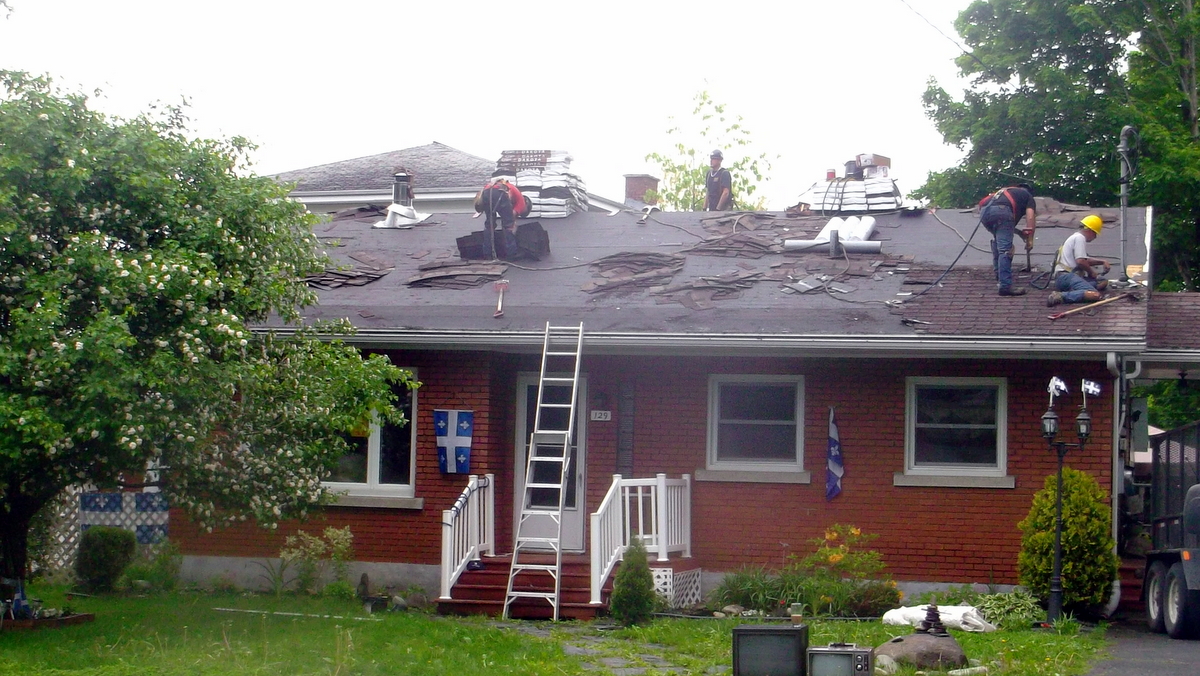
- Electrical: older panels, knob-and-tube or aluminum wiring can affect insurance.
- Plumbing: look for galvanized or cast-iron pipes and ask about the main water line.
- Foundation and basement: check for cracks, moisture and signs of past leaks.
- Roof and windows: ask how old they are and budget for replacement.
- Asbestos or vermiculite: homes of certain eras may contain them; ask your inspector.
- Sewer line: a camera scope can catch root or collapse problems early.
Read our guide on why home inspections matter before you make an offer.
Bungalow tip: Call an insurance broker before you firm up. Some older systems can make a home harder or more costly to insure.
How to budget for updating an older bungalow
Plan your updates in order of priority. Safety and the building envelope come first, then comfort and style.
- Safety: electrical, smoke and CO alarms, structural issues.
- Water: roof, grading, foundation and plumbing.
- Efficiency: insulation, windows and the furnace.
- Comfort and style: kitchen, bathrooms and flooring.
Costs vary widely, so get at least three quotes on any big job. Our listings of fixer-upper bungalows for sale show what the market looks like if you’re happy to renovate.
Who is an older bungalow best for?
An older bungalow tends to suit buyers who value land and location over a brand-new finish. That often includes:
- Downsizers who want one-level living close to friends, family and familiar services.
- Families who want a big backyard and walkable schools in a settled area.
- Investors looking for a basement or lot that can support a legal second unit.
- Renovators who are happy to update a kitchen or bathroom over time.
A new build tends to suit buyers who want low upkeep from day one, can wait for construction and may qualify for new-home rebates. If you’re still unsure, list your top five must-haves. Then check which type of home meets more of them in the areas you like.
Our guide to whether pre-construction is worth it covers the new-build side in more depth.
Frequently asked questions
Are older bungalows built better than new homes?
Some older bungalows use solid materials like plaster and hardwood, but quality varies in every era. A home inspection is the best way to judge a specific house.
Is an older bungalow more expensive to maintain?
Often, yes, at least until major systems are updated. Ask the seller for the age of the roof, furnace and windows to plan your budget.
Can I get first-time buyer rebates on an older bungalow?
You can’t get the new-home GST or HST rebates on a resale home. You may still qualify for the Ontario land transfer tax refund and other first-time buyer programs.
Do older bungalows hold their value?
Location and land drive much of a home’s long-term value. Older bungalows on good lots in established areas tend to attract steady demand, though no home is guaranteed to rise in value.
The bottom line
An older bungalow can offer more land, a better location and a set move-in date. A new build offers modern systems, a warranty and possible tax relief.
Weigh both against your budget and timeline. If you’re leaning toward resale, use our home comparison tool to line up older bungalows side by side.



Join The Discussion