
The clearest signs it’s time to move are when your home no longer fits your daily life: stairs feel like a chore, rooms sit empty, upkeep takes over your weekends, or your family’s needs have changed. For many Ontario homeowners, a bungalow solves those problems with one-level living and a more manageable home. Here’s how to read the signs and plan the move.
Key takeaways
- Life changes, not just age, are the biggest reasons people move to a bungalow.
- Count the full cost of moving, including selling costs and land transfer tax.
- Your home equity may cover more of the next purchase than you expect.
- Decide early whether you’ll buy first or sell first.
8 signs you’ve outgrown your current home
1. The stairs are becoming a problem
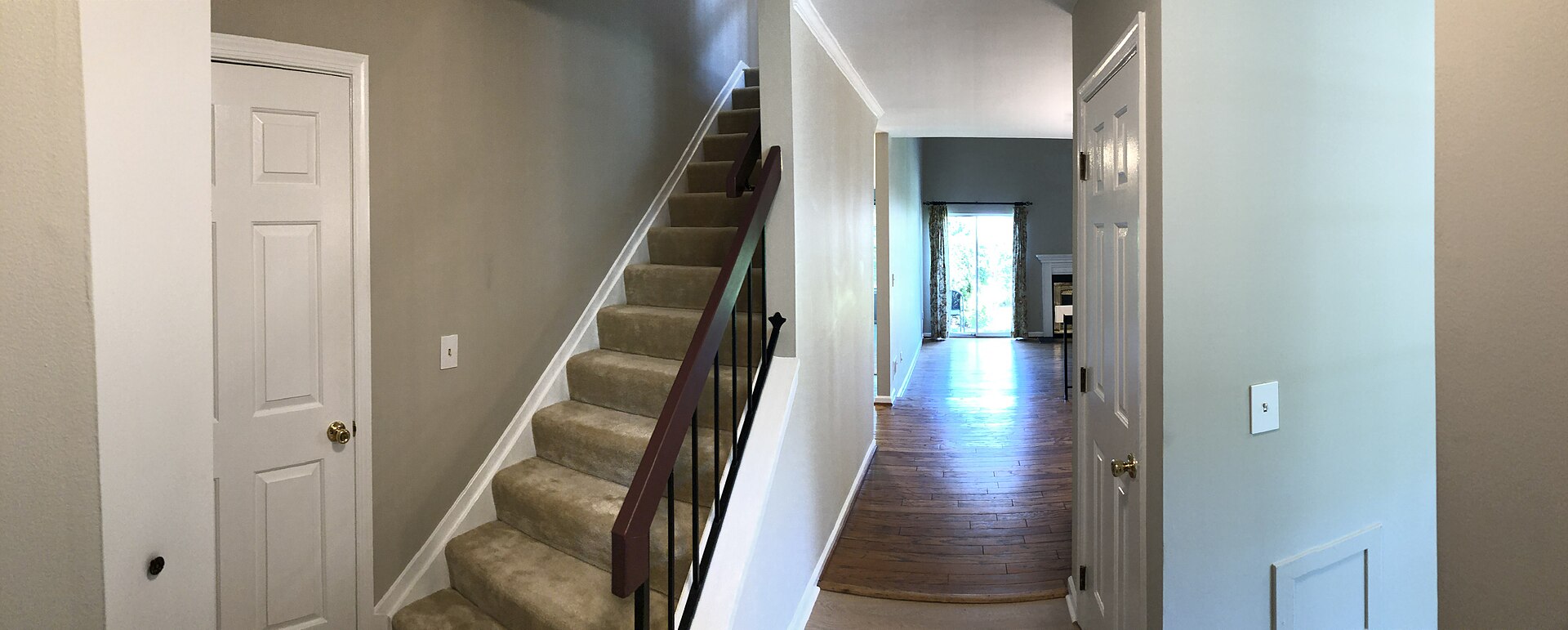
If you’re carrying laundry up and down two flights, or planning your day around trips upstairs, one-level living could make life easier. This is true for young families with babies as much as for retirees.
2. You’re heating rooms nobody uses
Kids have moved out, and their bedrooms are now storage. You’re paying to heat, cool and clean space you don’t need.
3. Maintenance is taking over your weekends
A big two-storey house with a large yard can mean constant upkeep. A bungalow, bungalow townhome or condo bungalow can cut that work down.
4. A parent may move in with you
Multigenerational living is common across the GTA. A bungalow with a main-floor bedroom or a separate basement suite gives everyone privacy and easy access.
5. You want rental income
Many raised bungalows have basements that can become a legal second unit. Rental income can help with costs or support a retirement plan.
6. Your neighbourhood no longer fits
Maybe you no longer need to be near schools, or you want to be closer to family, a hospital or a quieter town. Places like Simcoe, Durham and Niagara offer many bungalow communities.
7. You’ve built up significant equity
If you’ve owned for years, your home may be worth much more than you paid. Moving to a bungalow can free up some of that equity or reduce your mortgage.
8. You’re planning to age in place
A bungalow with a no-step entry, wide doorways and a walk-in shower lets you stay independent longer. It’s easier to buy those features than to add them later.
A quick self-check before you decide
Answer these questions honestly. If you say “yes” to three or more, it’s worth exploring a move.
- Do I avoid parts of my home because of stairs or effort?
- Are two or more rooms mostly unused?
- Is upkeep costing me time or money I’d rather spend elsewhere?
- Will my household change soon?
- Would one-level living make the next ten years easier?
What does it cost to move to a bungalow?
Moving costs more than the price difference between homes. Plan for:
| Cost | When you pay it |
|---|---|
| Real estate commission on your sale | From your sale proceeds |
| Legal fees on both the sale and purchase | At each closing |
| Ontario land transfer tax on the purchase | At closing on your new home |
| Toronto municipal land transfer tax | Only if you buy in the City of Toronto |
| Mortgage penalty, if you break your mortgage | When your old mortgage is paid off |
| Moving, repairs and new furniture | Around moving day |
On a single-family home, Ontario land transfer tax reaches 2.0% on the portion of the price between $400,000 and $2,000,000. Check your mortgage too. Some mortgages are portable, so you can carry your rate to the new home.
Bungalow tip: Ask your mortgage agent about porting your mortgage before you list. Porting can avoid a penalty, but timing between your sale and purchase matters.
Should you buy first or sell first?
There’s no single right answer. It depends on your finances and the market.
- Selling first gives you certainty about your budget, but you may need a flexible closing or a short-term rental.
- Buying first secures the bungalow you want, but you risk carrying two homes. Bridge financing can help if both deals are firm.
- A conditional offer on the sale of your current home can work in slower markets, though sellers may prefer firm offers.
As of August 2026, the GTA market was moving toward balance, with homes averaging 51 days on market. That gives many move-down buyers more time to coordinate both deals.
Frequently asked questions
Is it cheaper to move to a bungalow?
Sometimes, but not always. Bungalows use more land, so a detached bungalow can cost as much as a larger two-storey home in the same area.
What age do people usually move to a bungalow?
There’s no typical age. Downsizers, young families and multigenerational households all choose bungalows for different reasons.
How do I find out what my home is worth before I decide?
Start with a free home evaluation from a local agent, who will compare your home to recent sales nearby.
Can I find a bungalow in my own neighbourhood?
Often, yes, especially in older suburbs built with many bungalows. Set up listing alerts for your area so you hear about them as soon as they’re listed.
The bottom line
If your home is working against you, it may be time for a change. Look at the signs, run the full costs and decide on a buy-first or sell-first plan.
Start with a free home evaluation to see your equity, then read our guide to moving from a house to a bungalow. When you’re ready, browse bungalows for sale across Ontario and our seller’s guide.

Join The Discussion