
A bungalow gives you land, privacy, space and full control over your home, while a condo gives you lower upkeep, amenities and often a lower purchase price in the same area. Both offer one-level living. The right choice depends on your budget, how much maintenance you want and how much you value outdoor space.
Key takeaways
- Bungalows cost more up front but include land, which often drives long-term value.
- Condos have monthly fees that cover shared upkeep and amenities.
- Bungalows offer more space, privacy and freedom to renovate or add a unit.
- Condo bungalows offer a middle ground between the two.
Bungalow vs condo at a glance
| Factor | Detached bungalow | Condo apartment |
|---|---|---|
| Purchase price | Usually higher | Usually lower for the same area |
| Monthly fees | None | Condo fees for shared costs |
| Maintenance | All yours, inside and out | Mostly inside your unit |
| Outdoor space | Private yard | Balcony or terrace |
| Privacy | No shared walls | Shared walls, floors and ceilings |
| Renovation freedom | High, with permits | Limited by condo rules |
| Rental income | Possible basement or garden suite | Rent the unit only, if rules allow |
| Amenities | What you build | Gym, party room, concierge |
The case for a bungalow
Space and land
A bungalow typically gives you more living space than a condo, plus a full basement and a private yard. You own the land, which in the GTA is often the largest part of a home’s value.
Freedom to change
You can renovate, add a deck, finish the basement or, in many cities, add a legal second unit. Ontario allows up to three units on most serviced urban lots, subject to zoning and permits. Condo owners rarely have that flexibility.
Privacy and pets
No neighbours above or below you means less noise. Pets have a yard, and there are no condo rules on size or number.
The case for a condo
Lower upkeep
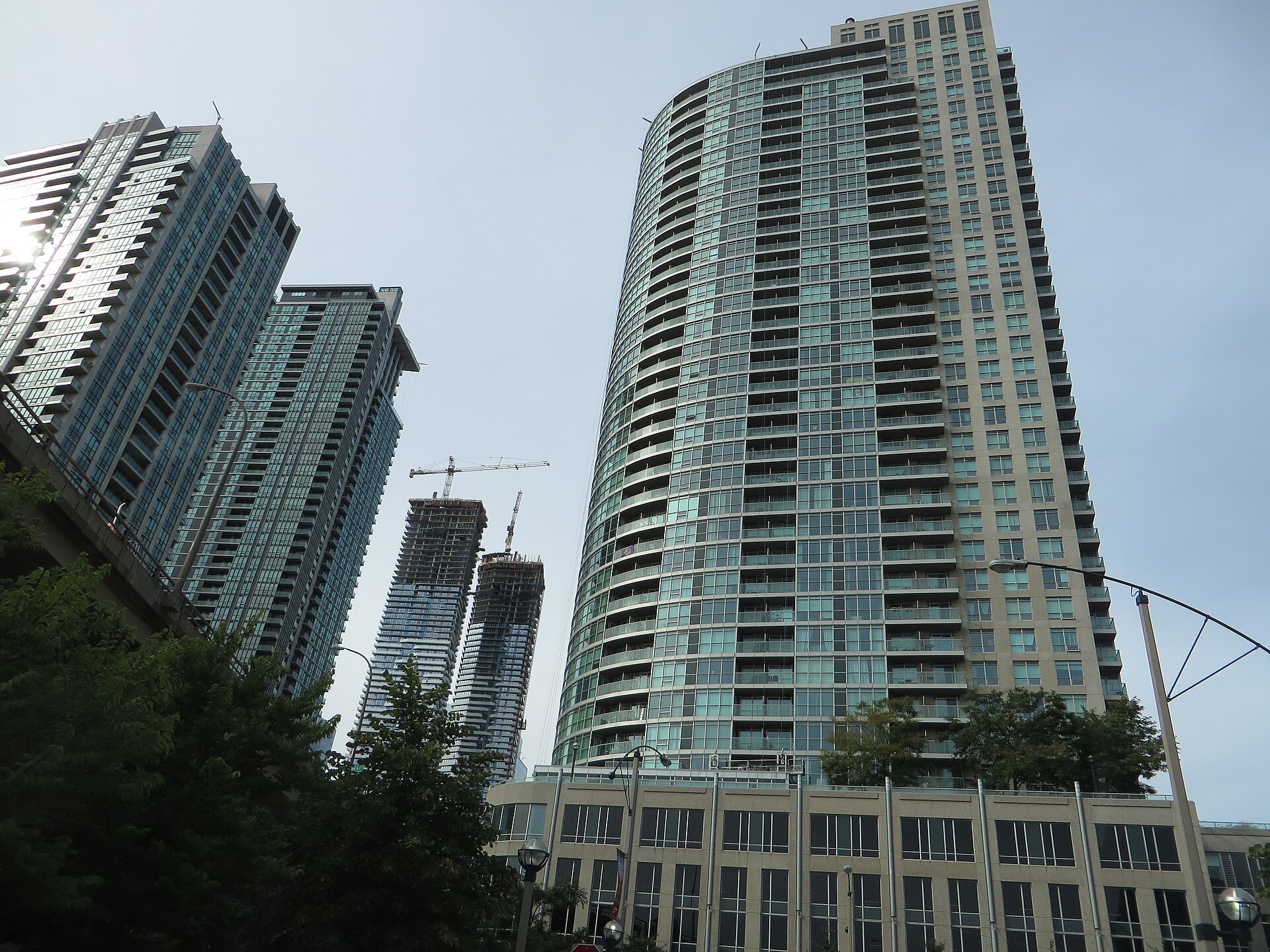
The condo corporation handles the roof, windows, landscaping, snow removal and shared systems. You lock the door and go. That’s a big plus for travellers and busy professionals.
Lower entry price
In many GTA neighbourhoods, a condo costs less than a detached home. A lower price means a smaller down payment. As of September 2026, the minimum is 5% on the first $500,000.
Amenities and location
Condos are often near transit, shops and restaurants. Many offer gyms, party rooms and security staff.
Comparing the true monthly costs
Don’t compare only the purchase price. Look at the full monthly cost of each option.
- Bungalow: mortgage, property tax, home insurance, all utilities and a maintenance fund for the roof, furnace and more.
- Condo: mortgage, property tax, condo insurance, condo fees and any utilities not included in the fees.
Condo fees can rise over time, and a weak reserve fund can lead to a special assessment. Always have your lawyer review the status certificate before your offer is firm. Use our mortgage calculators to compare the payments side by side.
Bungalow tip: Set aside money each month for future bungalow repairs, even if nothing is broken. That habit makes a bungalow’s costs more predictable, much like a condo’s reserve fund.
Resale and the current market
Both property types respond to the wider market. In the GTA, TRREB reported an average price of $993,410 in August 2026, down 2.7% from a year earlier, with the market moving toward balance. Conditions differ a lot between condos and detached homes, and between neighbourhoods.
Detached bungalows often draw a broad pool of buyers, from downsizers to investors. Condos can be more sensitive to new supply in nearby buildings. Before you buy either, ask your agent for recent sales of similar homes on the same street or in the same building.
The middle ground: condo bungalows
If you want one-level living without the yard work, a condo bungalow may be the answer. You get a ground-level home, often with a garage and small patio, while the condo corporation handles exterior upkeep.
They’re common in adult lifestyle communities in Durham, Simcoe and Niagara. Browse condo bungalows for sale to compare fees and features.
Which one suits you?
Choose a bungalow if you:
- Want a yard for kids, pets or gardening
- Plan to renovate or add a rental unit
- Value privacy and dislike shared walls
- Expect to stay for many years
Choose a condo if you:
- Want minimal maintenance
- Travel often or work long hours
- Prefer to live near transit and city amenities
- Need a lower purchase price to get into the market
Moving from a condo to a bungalow? Our post on making the move from condo to bungalow covers what changes.
Frequently asked questions
Is a bungalow a better investment than a condo?
Detached homes include land, which has historically been a key driver of value in the GTA. Results vary by location, price and timing, and no property is guaranteed to rise.
Are condo fees worth it?
They can be if you value low maintenance and amenities. Check what the fees cover and the health of the reserve fund before you buy.
Can I rent out part of a bungalow but not a condo?
Many bungalows can support a legal basement or garden suite with permits. Condo owners can usually rent the whole unit only, and some buildings restrict rentals.
The bottom line
Both options offer one-level living, but they suit different lifestyles. Choose the bungalow for space, land and freedom, or the condo for simplicity and amenities.
Still undecided? Our compare homes tool lets you weigh a bungalow and a condo side by side.



Join The Discussion