
A bungalow is a great fit for many young families because it keeps everyone on one floor, puts the backyard steps from the kitchen and gives you a basement that can grow with your kids. The main trade-offs are less separation between bedrooms and living areas, and a higher price per square foot. Here’s how to choose a family-friendly bungalow that works now and later.
Key takeaways
- One-level living makes life with babies and toddlers safer and easier.
- A finished basement can become a playroom, teen space or guest suite.
- Look for bedrooms grouped together and a kitchen with yard views.
- Check school boundaries, parks and traffic before you fall for a home.
Why bungalows work well for young families
No stairs to worry about
With a baby or toddler, stairs mean gates, worry and lots of carrying. In a bungalow, bedrooms, bathrooms and the kitchen are all on one level. Night feeds and early mornings are simpler when the nursery is a few steps down the hall.
Easy access to the yard
Most bungalows have a back door or patio door near the kitchen. You can watch the kids play while you cook. Bigger lots, common in older GTA neighbourhoods, leave room for a swing set, a garden or a ball game.
A basement that grows with your family
The basement can start as a playroom full of toys, become a teen hangout, then turn into a home office or suite for grandparents. Few home styles adapt so well over time.
The trade-offs to plan around
No home is perfect. Know these trade-offs before you buy so you can plan for them.
- Noise: Bedrooms sit close to the living room, so naps and late TV can clash.
- Space per dollar: Bungalows can cost more per square foot than two-storey homes.
- Bedroom count: Many main floors have two or three bedrooms, so growing families may need basement bedrooms.
- Privacy as kids grow: Teens may want more distance from parents.
Bungalow tip: If you expect teenagers to need their own space, look at a raised bungalow or backsplit. The extra level gives older kids a little independence without a full flight of stairs.
Family-friendly layouts and features to look for
| Feature | Why it helps families |
|---|---|
| Bedrooms grouped down one hall | Keeps young kids close to parents at night |
| Kitchen window or door facing the yard | Lets you supervise outdoor play |
| Main-floor laundry | Cuts down on trips with heavy baskets |
| Mudroom or side entrance | Contains boots, bags and muddy gear |
| Second bathroom | Eases the morning rush |
| Fenced backyard | Safer for kids and pets |
| Finished basement with egress window | Adds a safe bedroom or playroom |
What a typical family day can look like
Picture a weekday in a three-bedroom bungalow. Breakfast happens at the kitchen island while a toddler plays on the living room floor in full view. Backpacks and boots live in the side-door mudroom, so the front hall stays clear.
After school, the kids head to the fenced yard while dinner cooks. In the evening, the basement rec room becomes the TV and toy zone. That keeps noise away from the bedrooms where a younger child is already asleep.
This is just a general example, but it shows how a smart bungalow layout separates activity by area instead of by floor.
Safety tips for a family bungalow
Bungalows avoid stairs, but they still need childproofing. Ground-level windows and doors open straight to the outside, so plan ahead.
- Install window stops or guards on low windows.
- Add door alarms or high latches on doors to the yard and garage.
- Fence pools fully and check your city’s pool enclosure by-law.
- Test smoke and carbon monoxide alarms on every level, including the basement.
- Gate the basement stairs while kids are small.
Location matters as much as the house
For families, the neighbourhood is part of the home. Before you make an offer, check:
- School boundaries for public and Catholic boards, and the walking route
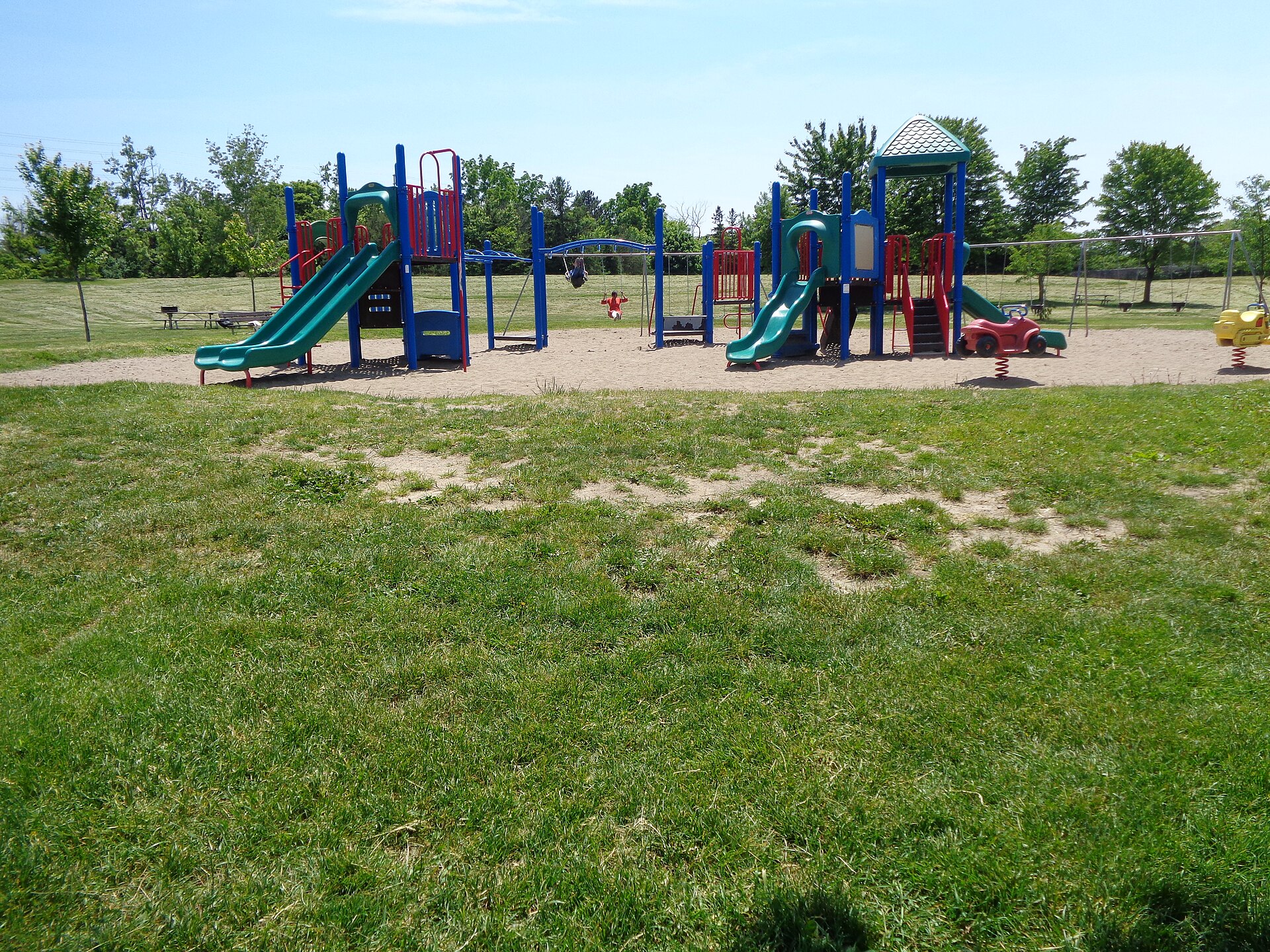
- Parks, splash pads and community centres nearby
- Traffic on the street and whether it’s a through route
- Child care options and commute times for both parents
Cities like Brampton, Vaughan and Oshawa have many established bungalow streets near schools and parks. Explore bungalows for sale in Brampton or read why Vaughan is a good city to raise kids.
Budgeting for a family bungalow
Young families often stretch to get more space. Set a budget that still leaves room for child care and savings. First-time buyers can use the FHSA and the RRSP Home Buyers’ Plan toward a down payment, and can choose a 30-year amortization on an insured mortgage as of September 2026.
Our mortgage calculators help you compare payments at different prices. A mortgage agent can confirm what you qualify for.
Frequently asked questions
Is a bungalow safer for toddlers than a two-storey home?
It removes the risk of falls on main stairs, which many parents value. You’ll still need to childproof windows, doors and the basement stairs.
How many bedrooms do I need in a family bungalow?
That depends on your plans, but many families start with three on the main floor. A finished basement can add more bedrooms with proper egress windows.
Can we add space to a bungalow as our family grows?
Often, yes. Finishing the basement, building a rear addition or adding a second storey are common options, subject to zoning and permits.
The bottom line for families
For many young families, a bungalow offers safe, practical, connected living with room to grow. Focus on layout, yard and location, and plan for the stage your kids will be in five years from now.
When you’re ready, set up listing alerts for family bungalows in the neighbourhoods you like.


Join The Discussion