

The best bungalow style depends on how you live day to day. Detached bungalows suit people who want a yard and flexibility, raised bungalows suit buyers who want a bright basement suite, and condo bungalows suit people who want almost no outdoor upkeep. This guide matches each style to common lifestyles so you can narrow your search with confidence.
Key takeaways
- Start with your daily routine, not the listing photos.
- Raised bungalows and homes with separate entrances work best for rental suites.
- Bungalofts and split-levels add privacy while keeping most living on one floor.
- Condo and townhome bungalows trade space and control for low maintenance.
Start by mapping your typical week
Before you compare styles, write down how you spend a normal week. Who lives in the home? Who works from home? How often do guests stay over? Do you garden, entertain or travel a lot?
Your answers point to the features that matter most. A couple that travels for months needs low upkeep. A family with a teenager needs some separation. An investor needs a lower level with good light and its own entrance.
The main bungalow styles at a glance
| Style | Best for | Watch out for |
|---|---|---|
| Detached bungalow | Gardeners, pet owners, long-term owners | Yard work, older systems |
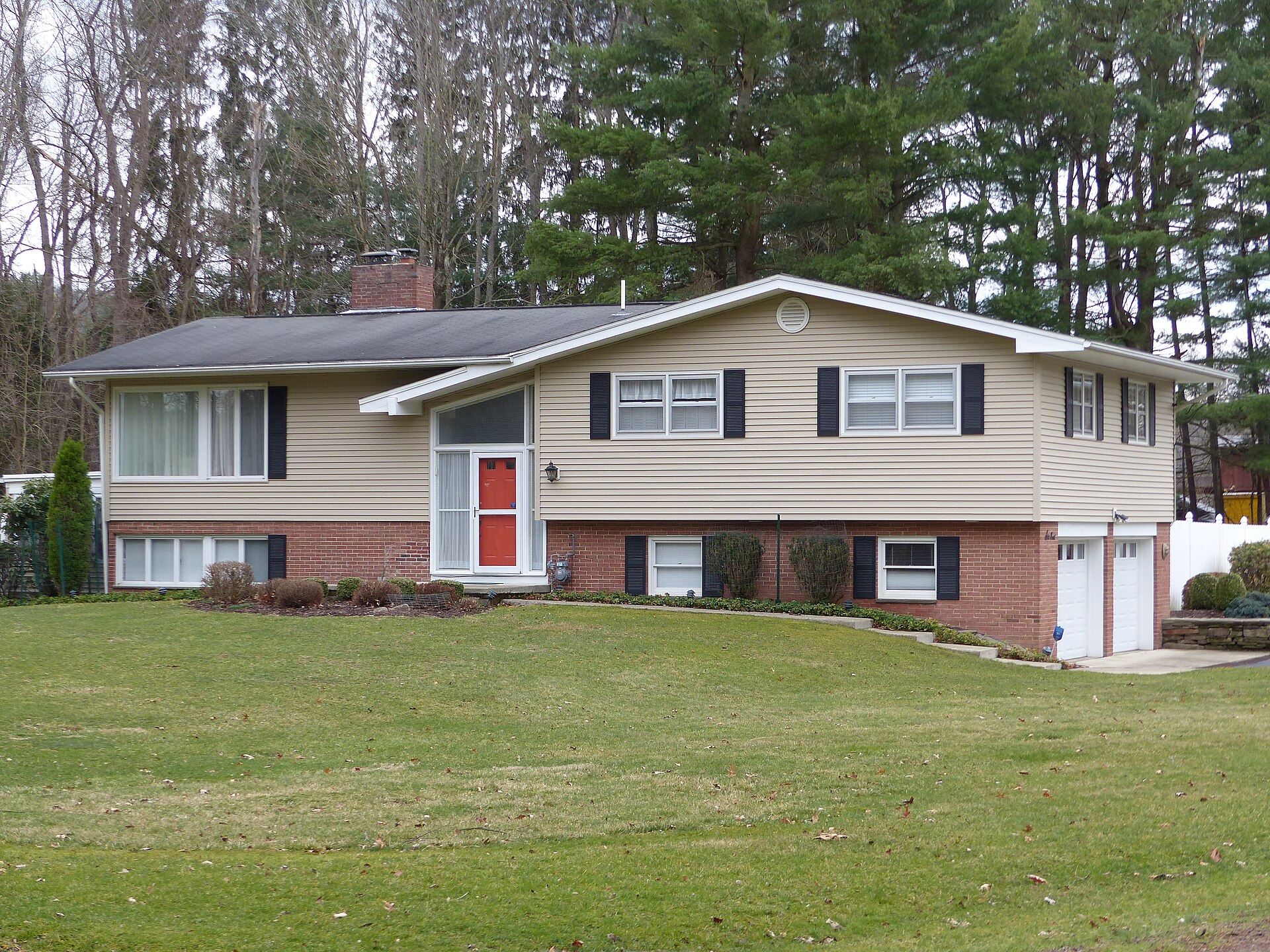
| Raised bungalow | Investors, multigenerational families | Steps at the front entry |
| Bungaloft | Couples with visiting family, home workers | Loft can be hot in summer |
| Backsplit | Families wanting zones on short stair runs | Several small flights of stairs |
| Sidesplit | Families wanting separation and a big lot | Layouts can feel chopped up |
| Bungalow townhome | Budget-minded downsizers | Shared walls, smaller lots |
| Condo bungalow | Travellers, low-maintenance seekers | Monthly fees, condo rules |
Matching styles to common lifestyles
The young family
Parents of small children often love a detached bungalow. Everyone sleeps on one floor, and the backyard is steps from the kitchen. As kids get older, a finished basement becomes the playroom or teen hangout.
If you want more separation as the kids grow, a backsplit home puts bedrooms a half-flight above the living area.
The downsizer or empty nester
Downsizers usually want one-level living, less yard work and room for visiting family. A bungalow townhome or condo bungalow covers the first two. A bungaloft adds a guest room upstairs that you only use when the grandkids visit.
The multigenerational household
A raised bungalow gives two generations their own space. The lower level gets large windows, a kitchen and its own entrance. Grandparents can live on the main floor while adult children live below, or the other way around.
The remote worker
Working from home calls for a quiet office away from the kitchen. Sidesplits and bungalofts make it easy to put the office on a different level. In a detached bungalow, a basement office or converted bedroom at the end of the hall works well.
The frequent host
If you love having people over, look for an open kitchen and living area that flows to a deck or patio. A detached bungalow on a wide lot gives you room for summer gatherings. A finished basement with a second family room gives guests and kids their own zone, so the main floor stays calm.
The traveller or snowbird
If you spend weeks away each year, low upkeep matters most. A condo bungalow means someone else handles snow, lawns and exterior repairs while you’re gone. You simply lock the door and leave.
The investor or house hacker
If rental income matters, look for a separate entrance, good ceiling height downstairs and parking for two households. Ontario’s rules allow up to three units on most serviced urban lots, subject to local zoning, the Building Code and permits. See investor-friendly bungalows for sale for homes with suite potential.
Lifestyle factors beyond the house itself
The right style also depends on where it sits. Think about these location factors alongside the floor plan.
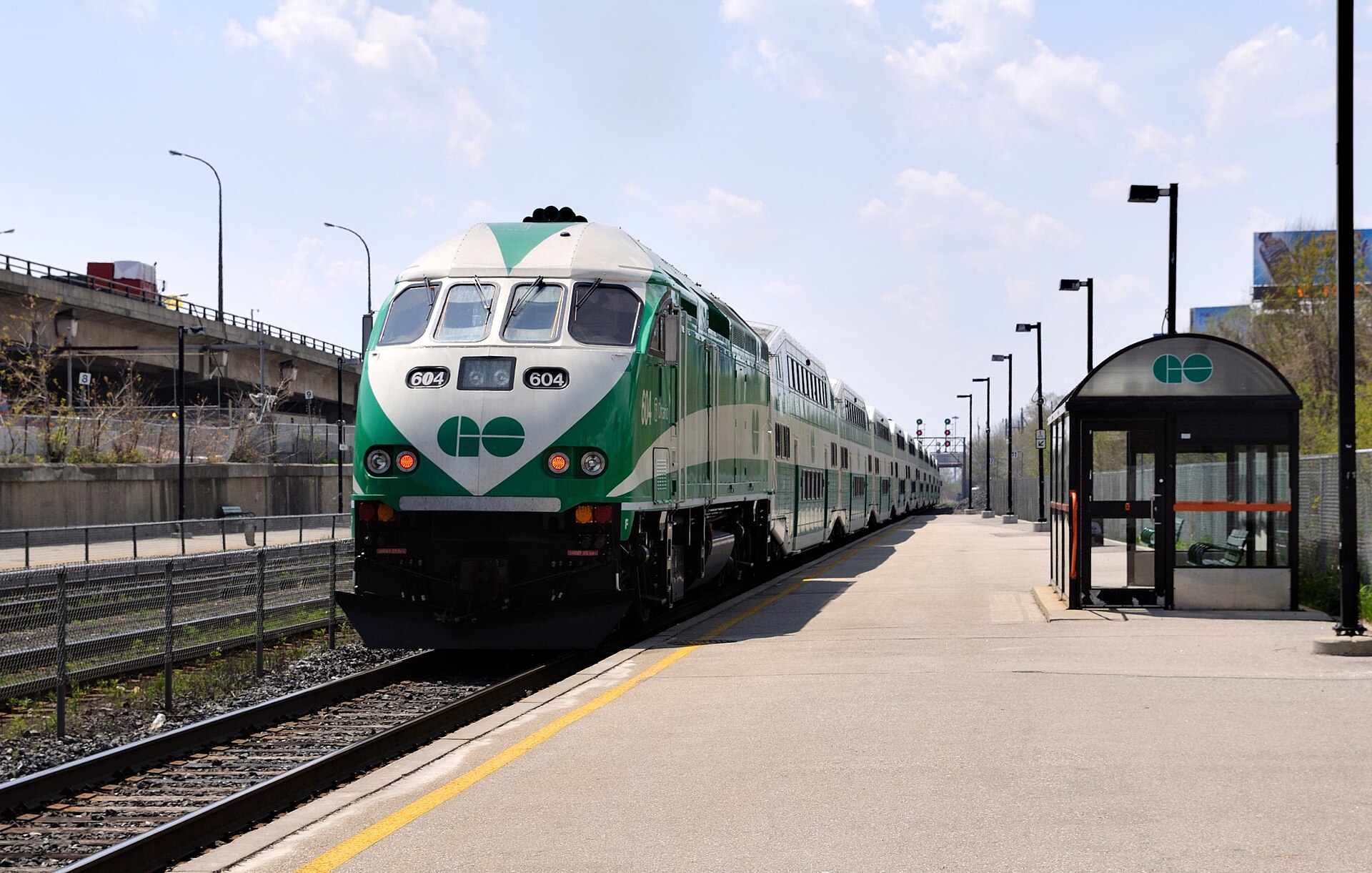
- Commute: Do you need quick access to a highway or GO station?
- Walkability: Can you reach groceries, parks or a coffee shop on foot?
- Lot type: Do you want a ravine, a corner lot or a quiet court?
- Services: Is the home on city water and sewer, or a well and septic?
Bungalow tip: Try your daily routine at a showing. Walk from the garage to the kitchen with imaginary groceries, then to the laundry. You’ll quickly feel whether the layout fits.
A quick decision checklist
- List the three things you do most at home.
- Note who needs privacy and when.
- Decide how much outdoor work you truly want.
- Decide whether rental income is a must, a maybe or a no.
- Pick two styles to focus on, then view at least three homes of each.
Our bungalow swipe tool is a fast way to test your instincts. Swipe through a mix of styles and see which ones you keep saving.
Frequently asked questions
What is the most popular bungalow style in the GTA?
Detached bungalows and raised bungalows are the most common in many GTA suburbs. Bungalofts and condo bungalows are more common in newer developments and adult lifestyle communities.
Is a backsplit considered a bungalow?
Backsplits and sidesplits are split-level homes, but buyers often group them with bungalows because of their short stair runs and main-level living.
Which bungalow style is best for a basement apartment?
Raised bungalows usually work best because the lower level has bigger windows and more height above ground. A separate entrance and proper permits are still required.
Choosing with confidence
There’s no single best bungalow, only the best one for your life right now and in five years. Start with your routine, match it to a style, then compare homes in that category.
When you’ve picked a direction, set up listing alerts by style and city so new matches come straight to your inbox.



Join The Discussion