
A bungalow is right for you if one-level living, easy access to the yard and simple upkeep matter more to you than maximum square footage for the price. The checklist below helps you test that honestly, so you know whether to focus your search on bungalows or keep other home styles in the mix.
Key takeaways
- Bungalows suit people who value no-stairs living, outdoor space and a simple layout.
- They often cost more per square foot than two-storey homes on similar lots.
- Bedroom privacy can be lower because all rooms share one floor.
- Thinking five to ten years ahead is the best way to decide.
What daily life in a bungalow actually feels like
In a bungalow, your kitchen, living room and bedrooms sit on one level. You carry groceries, laundry and kids without climbing stairs. Most bungalows also have a basement, which can hold a rec room, office, guest space or rental suite.
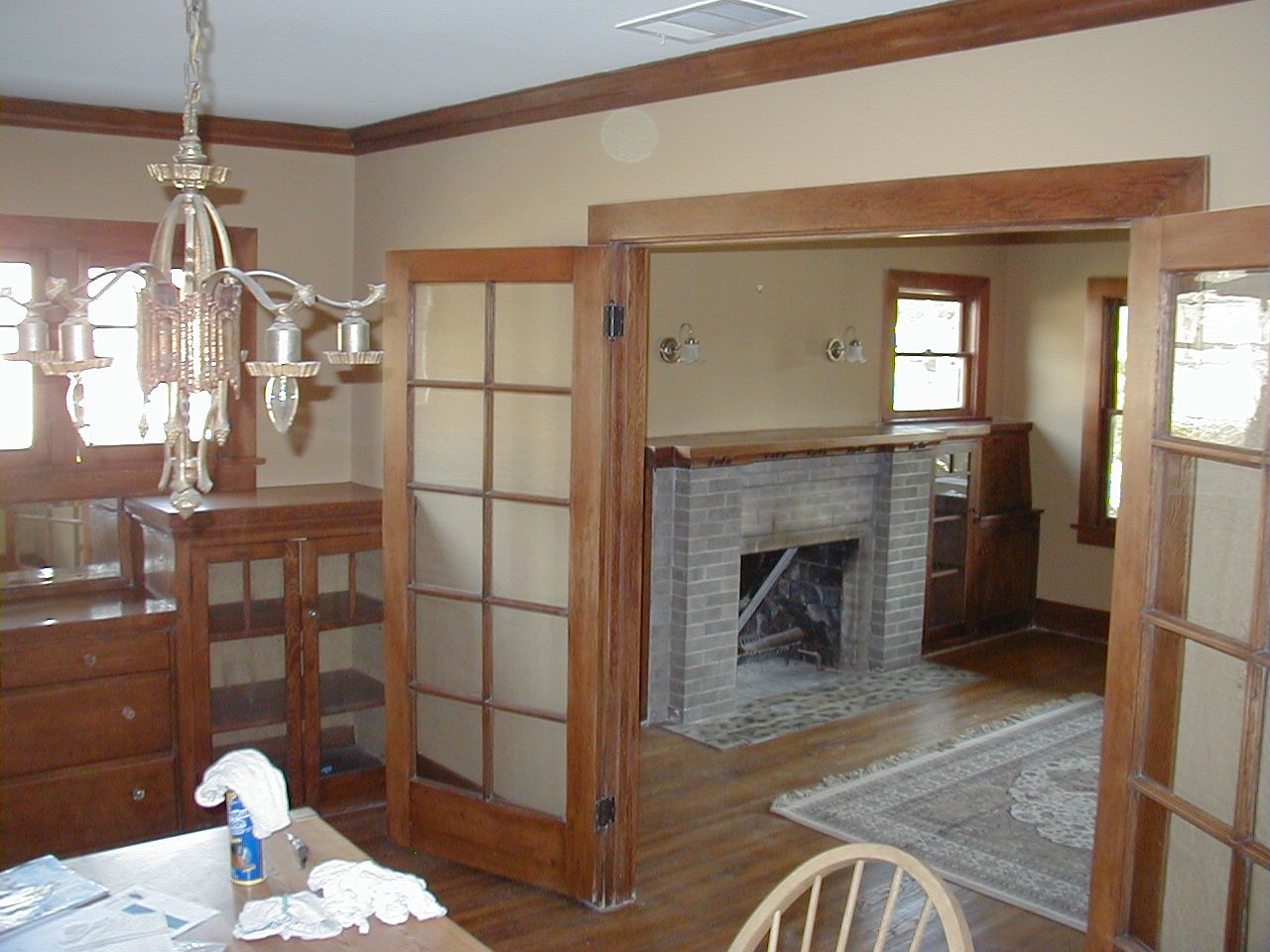
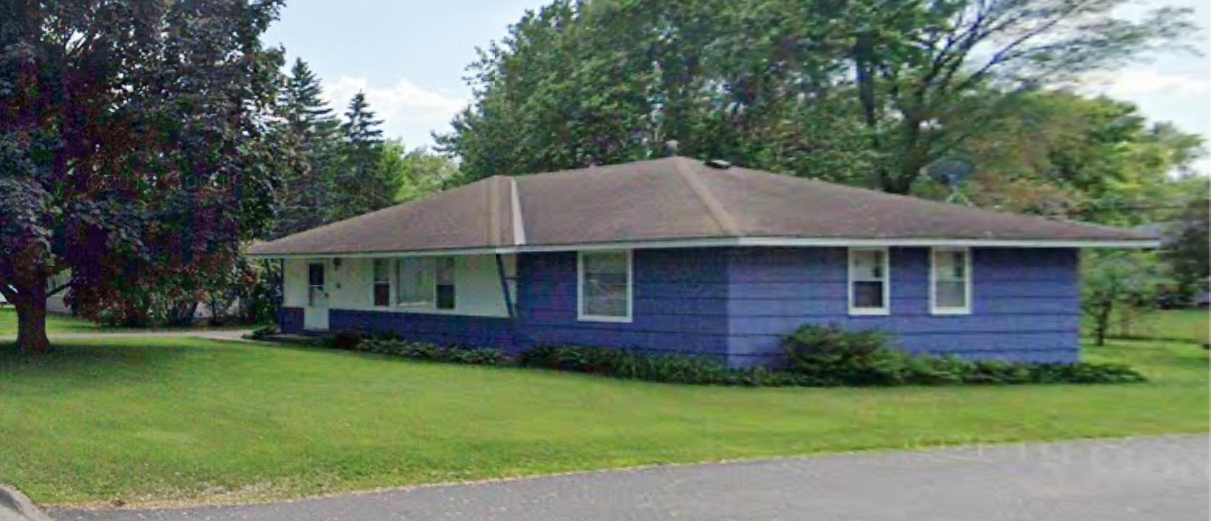
Many bungalows in the GTA sit on generous lots from the post-war era. That often means bigger backyards, mature trees and quieter streets. The trade-off is that the main floor can feel smaller than a two-storey home with the same footprint.
The self-assessment: 10 questions to ask yourself
Answer each question with a simple yes or no. The more “yes” answers you have, the better a bungalow likely fits.
- Do stairs bother you, or might they in the next ten years?
- Would you rather have a bigger yard than a bigger house?
- Do you like being able to hear and see what’s happening in the home?
- Would main-floor laundry make your week easier?
- Do you want a basement you could finish or rent out later?
- Are you comfortable with bedrooms close to the living area?
- Do you plan to stay in the home for many years?
- Do you want simpler exterior jobs, like cleaning gutters from a short ladder?
- Are you willing to trade some space for a quieter, established street?
- Would an aging parent or relative ever live with you?
Seven or more “yes” answers is a strong sign. Four to six means a bungalow could work, but compare it closely with other styles. Fewer than four suggests a two-storey home may suit you better.
Who tends to love bungalows
Downsizers and empty nesters
One-level living lets you stay in your home longer without major changes. For a deeper look, read our guide to bungalow living for empty nesters.
Young families
Parents of toddlers like having everyone on one floor. Kids can play in the yard while you watch from the kitchen window.
Buyers who want income potential
A raised bungalow or a bungalow with a separate entrance can support a basement suite. Ontario rules now allow up to three units on most serviced urban lots, subject to local zoning and permits.
Pet owners and gardeners
Short trips to the backyard make life easier with dogs, especially older ones. Gardeners like the larger lots and the way many bungalows have patio or kitchen doors that open right onto the yard.
People planning for the long term
If you want a home you can stay in through job changes, kids leaving and retirement, one-level living keeps your options open. You may never need to move just because stairs become hard.
When a bungalow may not be the best fit
Bungalows aren’t perfect for everyone. Be honest about these trade-offs before you commit.
- Price per square foot: A bungalow needs more land and roof for the same living space, so it can cost more.
- Bedroom separation: Teenagers or shift workers may want more distance from the kitchen and TV.
- Limited supply: Few new bungalows get built in the GTA, so choice can be tight.
- Street-level privacy: Bedrooms face the street or yard at ground level, so window coverings matter.
Bungalow tip: If bedroom privacy is your main concern, look at backsplits or bungalofts. They keep most living on one level while adding some separation.
Bungalow vs other home styles at a glance
| Factor | Bungalow | Two-storey | Condo apartment |
|---|---|---|---|
| Stairs in daily life | Few or none | Many | None (elevator) |
| Yard size | Often large | Varies | None or a balcony |
| Exterior upkeep | Yours, but simple | Yours, harder to reach | Condo corporation |
| Room to add a unit | Often good | Possible | No |
| Price per square foot | Often higher | Often lower | Varies widely |
How to test-drive bungalow living before you buy
Visit a few open houses and pay attention to how the layout feels. Notice where the bedrooms sit, how far the laundry is from the kitchen and how much natural light reaches the hallway.
You can also use our bungalow swipe tool to react to dozens of homes quickly. Your likes and passes will show you which styles you keep coming back to.
Frequently asked questions
Are bungalows only for retirees?
No. Families, first-time buyers and investors all buy bungalows. The simple layout and big lots appeal to almost every life stage.
Do bungalows cost more than two-storey homes?
Often they cost more per square foot of living space because they need more land and roof. Total prices depend on location, lot size and condition.
Can I add space to a bungalow later?
Often, yes. Common options include finishing the basement, building a rear addition or adding a second storey, all subject to zoning and permits.
Making your decision
If your checklist leans toward “yes,” a bungalow could give you years of comfortable, flexible living. If it’s mixed, compare a few bungalows side by side with other styles before you decide.
When you’re ready to look, start with bungalows for sale across Ontario and narrow down by city and price.

Join The Discussion