
Choosing a bungalow location comes down to matching where you live with how you live. Start with your daily needs, like work, family, healthcare and schools, then narrow from region to neighbourhood to street to lot. Testing your top picks in person, at different times, is the step most buyers skip and later wish they hadn’t.
Key takeaways
- Write down your must-haves before you look at a single listing.
- Narrow your search in stages: region, neighbourhood, street, then lot.
- Visit at rush hour, at night and on weekends before you commit.
- Think about how the location will suit you five or ten years from now.
Step 1: Know what you need from a location
Before you browse listings, list your priorities. Be honest about what you’ll actually use day to day.
Common must-haves
- A commute you can live with, by car or transit.
- Distance to family, friends or caregivers.
- Nearby hospitals, clinics and pharmacies.
- School catchments, if you have kids.
- Shops, parks and recreation within walking distance or a short drive.
- Your place of worship or cultural community.
Rank them. When two homes compete, your list will make the choice easier.
Step 2: Choose a region that fits your budget and lifestyle
Bungalow prices, lot sizes and lifestyles vary a lot across the GTA and Ontario.
| If you want… | Consider looking in… |
|---|---|
| Short commutes and city amenities | Toronto inner suburbs, Mississauga, Vaughan |
| More space for the money | Durham, Hamilton, Brantford |
| Small-town or lakeside living | Simcoe, Scugog, Niagara, Peterborough |
| Rural lots and privacy | Caledon, King, Dufferin |
| Strong local job markets outside Toronto | Waterloo, Hamilton, Halton |
Our overview of bungalow communities in Ontario compares each region in more detail.
Step 3: Narrow down to a neighbourhood
Once you have a region, shortlist two or three neighbourhoods. For each one, check:
- Recent bungalow sales to see what your budget buys.
- Walkability and transit, especially if you may stop driving one day.
- Planned development, such as new transit, condos or highway work.
- Community feel, from local events to how well homes are kept.
- Safety, using police data and conversations with neighbours.
Our walkability guide shows you how to judge an area on foot.
Step 4: Pick the right street
Even in a great neighbourhood, streets differ. Bungalow buyers often prefer:
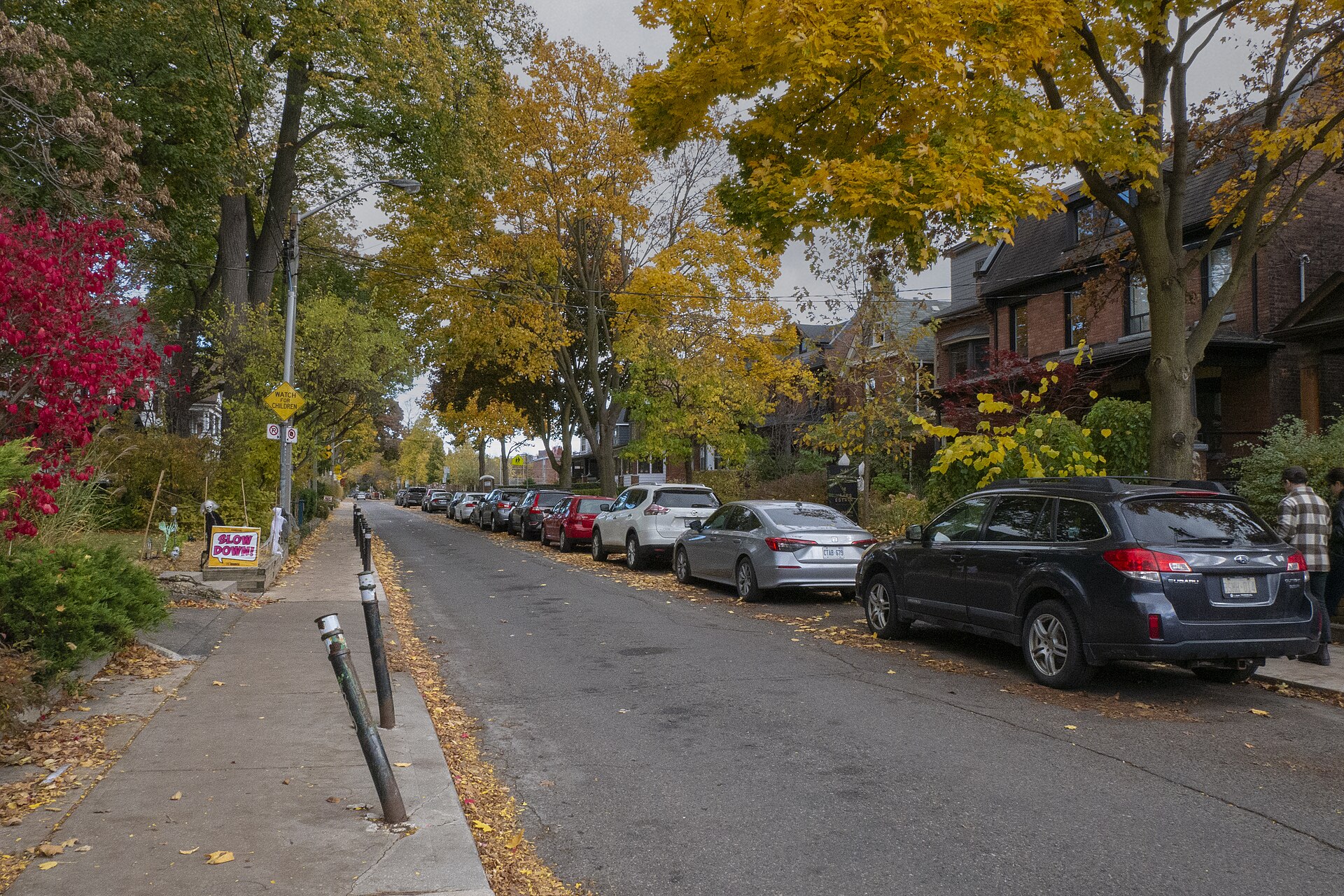
- Quiet crescents or cul-de-sacs with little through traffic.
- Sidewalks and good street lighting.
- A park or trail nearby, but not a busy sports field directly across.
- Distance from highways, rail lines and commercial loading areas.
Drive the street at rush hour and walk it after dark. Notice where people park and how fast cars move.
Corner lots deserve a closer look. They often have more frontage and light, but also more sidewalk to shovel, more traffic noise and less backyard privacy. Some buyers love them, others avoid them, which can affect resale.
Step 5: Check the lot
The lot can matter as much as the house. Look at:
- Size and shape: frontage and depth affect future additions or a garden suite.
- Orientation: a south- or west-facing backyard gets more sun.
- Grading and drainage: water should flow away from the house.
- What’s behind: a ravine, a neighbour, a school or a busy road.
- Trees: mature trees add shade and privacy but need care.
Bungalow tip: Ask for a survey if the seller has one. It shows exact lot lines, easements and structures, and can save you from surprises about fences, sheds or shared driveways.
Step 6: Think about the future
Your needs will change. A location that works now should also work in five or ten years.
- Will you still want to drive everywhere?
- Will you need to be closer to family or medical care?
- Could a basement suite or garden suite help with costs later?
- Are there plans for the area that could change its character?
Location checklist for future you
- A grocery store and pharmacy you could reach without a long drive.
- A family doctor or clinic accepting patients nearby.
- Transit or community ride options if driving becomes harder.
- Room on the lot, or in the basement, for a caregiver or family member.
Bungalows are popular with buyers at many life stages, which helps resale. Still, a strong location is what keeps demand steady over time.
Common location mistakes to avoid
- Choosing the house first and accepting a location you don’t love.
- Only visiting on quiet weekend afternoons.
- Underestimating commute time and cost.
- Ignoring what’s planned for vacant land nearby.
- Stretching your budget to a neighbourhood you can barely afford, leaving no room for repairs.
Frequently asked questions
What is the most important factor when choosing a home location?
For most people, it’s how the location fits their daily life: commute, family and services. For long-term value, neighbourhood demand and lot quality also matter.
How many neighbourhoods should I compare?
Two or three is usually enough. Fewer than that limits your options, while too many can make it hard to decide.
Should I choose a better location or a bigger house?
Often the better location wins, because you can renovate a house but not move it. Your personal priorities should guide the final call.
The bottom line
Choosing a bungalow location is a series of smaller decisions: region, neighbourhood, street and lot. Take them one at a time, and visit in person before you decide.
Once you’ve narrowed your list, set up new-listing alerts so you’re first to see bungalows in the spots you love.



Join The Discussion