

Tenant responsibilities in Ontario include paying rent on time, keeping your unit reasonably clean, repairing damage you or your guests cause, and not disturbing other people’s reasonable enjoyment of the property. When you rent a whole bungalow, your lease may also make you responsible for things like lawn care, snow removal and some utilities. Knowing your duties helps you keep a good relationship with your landlord and protects your deposit and references.
Key takeaways
- Pay rent in full and on time, every time.
- Keep the home reasonably clean and report problems quickly.
- You’re responsible for damage you or your guests cause, beyond normal wear.
- Check your lease for yard, snow and utility duties.
- Give proper written notice when you plan to move out.
Your core responsibilities under Ontario law
Most residential tenancies in Ontario fall under the Residential Tenancies Act. It sets out duties for both landlords and tenants. As a tenant, your main responsibilities are:
- Pay rent on time: in full, on the date in your lease.
- Keep it clean: maintain ordinary cleanliness, unless the lease says the landlord handles cleaning.
- Repair damage you cause: this includes damage from guests, whether it’s accidental or careless.
- Don’t interfere with others: avoid noise or behaviour that disturbs neighbours or the landlord.
- Don’t do anything illegal: illegal acts at the property can lead to eviction.
- Follow the lease: lawful terms in your lease are part of your obligations.
Extra duties when you rent a whole bungalow
Renting a full house is different from renting an apartment. Your lease may assign some outdoor and household jobs to you. Common examples include:
| Task | Often the tenant’s job? | What to check |
|---|---|---|
| Lawn mowing and weeding | Often | Who supplies the mower |
| Snow clearing | Often | Driveway, walkways and city sidewalk rules |
| Utilities | Often | Which accounts you must open in your name |
| Furnace filter changes | Sometimes | How often and who buys filters |
| Major repairs | No, landlord | How to report them |
If the lease doesn’t say, ask the landlord to put it in writing. Clear terms prevent arguments later.
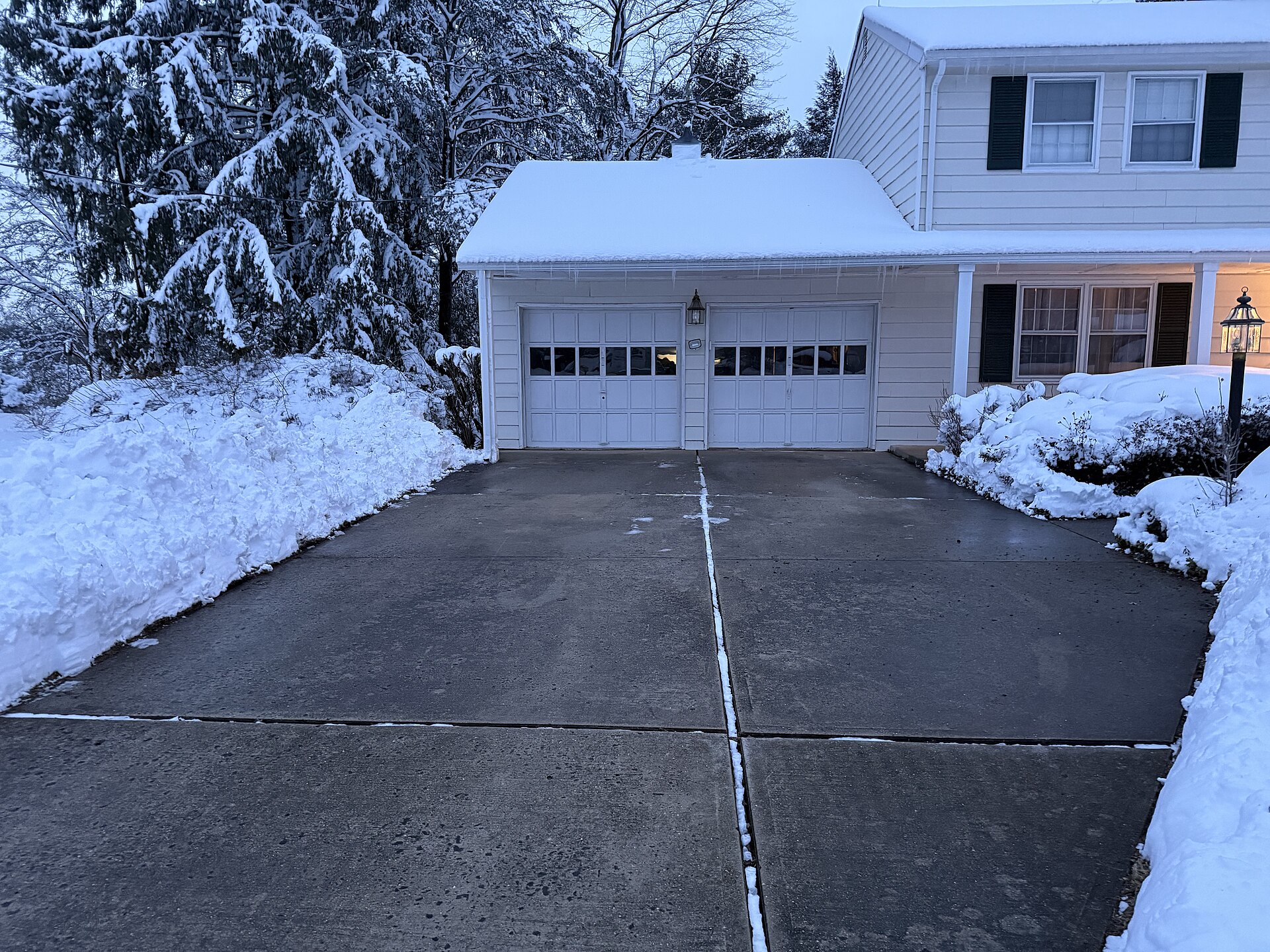
Bungalow tip: If you’re responsible for snow, clear the walkway early. Icy steps are a safety risk for you, guests and delivery drivers.
Reporting repairs the right way
Your landlord is responsible for keeping the home in good repair and meeting health, safety and maintenance standards. Your job is to tell them about problems promptly.
- Report problems in writing, by email or text, so there’s a record.
- Describe the issue clearly and include photos.
- Report urgent problems, like a leak or no heat, right away by phone too.
- Give the landlord reasonable access to make repairs.
- Keep copies of all messages.
Don’t withhold rent because of repair problems. That can lead to an eviction application. If repairs aren’t done, you can apply to the Landlord and Tenant Board.
Living with others: basement units and shared homes
Many bungalows are split into an upper unit and a basement unit. If you share a building, a little courtesy goes a long way:
- Keep noise down, especially at night.
- Follow any shared laundry schedule.
- Park only in your assigned spot.
- Keep shared entrances and yards tidy.
- Talk to your neighbours before small issues turn into complaints.
Insurance, entry and other rules to know
Your landlord can require you to carry tenant insurance in the lease. Even if they don’t, it protects your belongings and covers liability if you accidentally damage the property. Learn more in our guide on what tenant insurance covers.
Your landlord can enter for reasons allowed under the law, such as repairs, usually with proper written notice. In an emergency, they may enter without notice.
Ask before making changes like painting, mounting a TV or changing locks. Get permission in writing.
Pets are another common question. In most Ontario tenancies, a “no pets” clause in the lease can’t be enforced, but condo rules may still apply. Either way, you’re responsible for any damage or disturbance your pet causes.
Moving out: your final responsibilities
- Give proper notice: use the correct form and timing for your type of tenancy.
- Clean thoroughly: leave the home as clean as you found it.
- Repair damage: fix anything beyond normal wear and tear.
- Return keys: hand back all keys, fobs and remotes.
- Close utilities: transfer or close accounts in your name.
In Ontario, landlords can collect a rent deposit, used for the last month’s rent, and a refundable key deposit. They can’t charge a separate damage deposit.
Frequently asked questions
Am I responsible for normal wear and tear?
No. Normal wear and tear from everyday living isn’t your responsibility. Damage caused by you or your guests is.
Do tenants have to shovel snow in Ontario?
Only if your lease says so. When you rent a whole house, snow clearing is often the tenant’s job, so read your lease closely.
Can I stop paying rent if my landlord won’t fix something?
No. Withholding rent can lead to eviction. Keep paying and file an application with the Landlord and Tenant Board if repairs aren’t made.
Do I have to let my landlord in?
Yes, for reasons allowed by law and with proper written notice, such as repairs. Emergencies are an exception.
The bottom line
Being a good tenant means paying on time, caring for the home and communicating clearly. Knowing your responsibilities protects your references and makes renting smoother.
This is general information, not legal advice. If you have a specific dispute, a community legal clinic or licensed paralegal can help. Thinking about buying one day? Start with our buyer’s guide.




Join The Discussion