
A well-built, well-maintained house in Toronto can last a century or more. Plenty of the city’s Victorian and Edwardian homes are well over 100 years old, and many post-war bungalows are still going strong. What wears out isn’t the house itself but its parts: roofs, windows, furnaces, plumbing and wiring all need replacing on their own schedules.
Key takeaways
- The structure of a solid house can last for generations with good care.
- Roofs, mechanical systems and finishes wear out much sooner and need planned replacement.
- Water is the biggest threat to a home’s lifespan.
- When you buy an older bungalow, budget for the components nearing the end of their life.
How long does a house actually last?
There’s no fixed expiry date on a house. The foundation and framing of a properly built home, kept dry and maintained, can last well beyond a single owner’s lifetime.
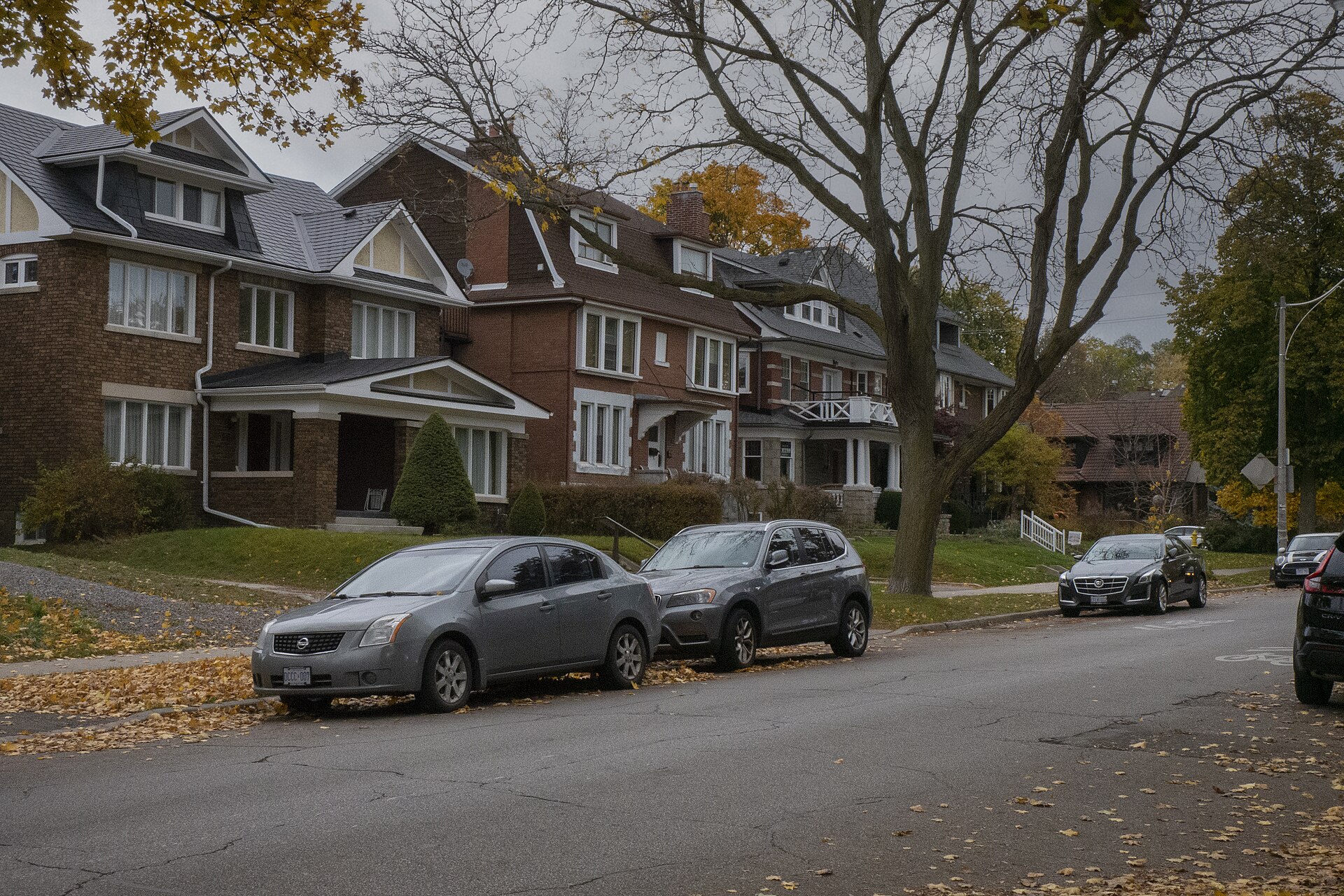
Toronto proves it. The city has whole neighbourhoods of homes from the late 1800s and early 1900s, plus large areas of bungalows built after the Second World War. Many of those bungalows have now been lived in by two or three generations of owners.
What usually ends a house’s life isn’t old age. It’s neglect, water damage, a fire, or a decision that the land is worth more with a bigger home on it. In parts of Toronto, solid bungalows are sometimes torn down simply because buyers want more space.
Which parts of a house wear out first?
Think of a house as a set of systems with different lifespans. Here’s a general guide, in plain terms. Actual life depends on quality, installation, climate and maintenance.
| Component | Typical lifespan (general guide) | Signs it’s near the end |
|---|---|---|
| Foundation and framing | Many decades, often the life of the house | Large cracks, sloping floors, persistent water |
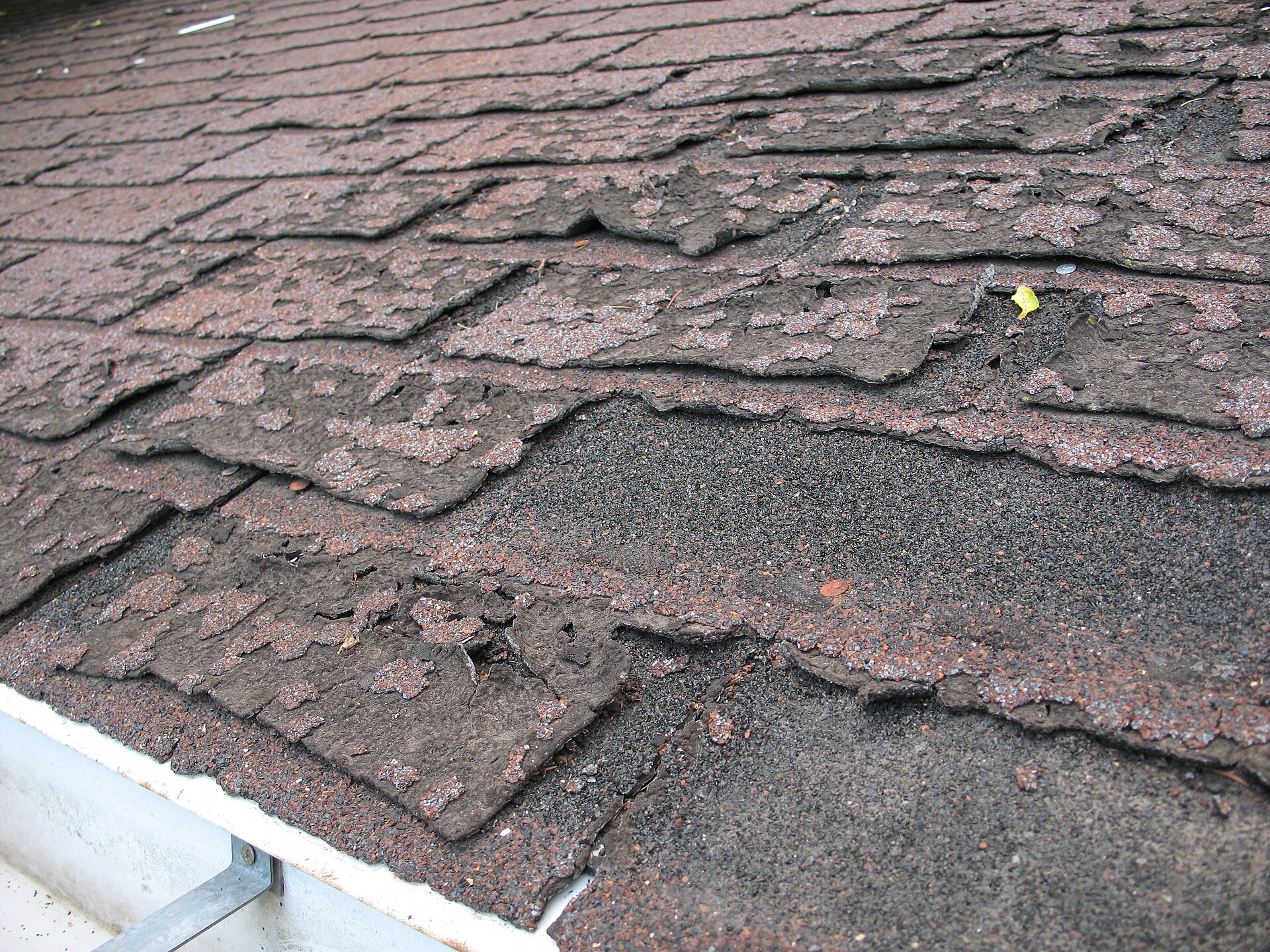
| Asphalt shingle roof | A couple of decades, less with poor ventilation | Curling, missing granules, leaks |
| Windows | A few decades | Fogging between panes, drafts, rot |
| Furnace and air conditioner | Shorter than a roof in most cases, varies widely | Rising repair bills, uneven heat |
| Water heater | Shorter than most systems | Rust, leaks, slow recovery |
| Plumbing supply lines | Depends heavily on the material | Low pressure, discoloured water, leaks |
| Electrical panel and wiring | Long, but older types may need upgrading | Flickering, warm outlets, insurance concerns |
Ask your home inspector to estimate the remaining life of each major system. That one conversation can shape your whole budget.
Toronto-specific issues in older homes
Older Toronto houses have a few common quirks worth knowing about.
Knob-and-tube and aluminum wiring
Some older homes still have knob-and-tube wiring, and some homes from the 1960s and 70s have aluminum wiring. Insurers may ask about both. An electrician can tell you what needs replacing.
Lead or galvanized pipes
Homes from certain eras can have lead water service lines or galvanized steel pipes. The city has programs to replace the public side of lead service lines, and you’d handle the private side.
Basement water
Clay soils, older drainage and heavy storms can mean wet basements. Look for efflorescence (white residue), stains and musty smells. Downspouts, grading and a backwater valve all help.
Asbestos and vermiculite
Some older insulation, flooring and pipe wrap may contain asbestos. It’s usually safe if left undisturbed, but test before any renovation.
How to make your house last longer
Most of a home’s long life comes down to keeping water out and keeping up with small repairs.
- Clean gutters and extend downspouts away from the foundation.
- Keep the ground sloping away from the house.
- Have the furnace serviced every year.
- Check the roof after major storms.
- Recaulk windows and doors when gaps appear.
- Fix small leaks immediately.
- Keep the basement dry with a working sump pump and dehumidifier where needed.
For a full seasonal routine, see our bungalow maintenance checklist.
Bungalow tip: One-storey homes are easier to maintain in one important way: the roof, gutters and windows are all within easy reach. That means problems are spotted earlier and repairs often cost less to access than on a two-storey home.
Buying an older bungalow in Toronto: what to budget for
An older bungalow can be a great buy, especially if it’s been well kept. Just go in with a plan.
- Get a thorough home inspection, and consider a sewer scope for older drain lines.
- Ask the seller for receipts and dates for the roof, furnace, windows and any wiring work.
- Price out anything near the end of its life before you make an offer.
- Keep a home maintenance fund separate from your emergency savings.
Some buyers look specifically for fixer-upper bungalows, knowing they’ll replace systems over time. Others prefer homes where the big-ticket items are already done. Either way, our list of questions to ask when viewing a house helps you gather the right information. You can browse Toronto bungalows to compare ages and updates.
Frequently asked questions
Can a house last 100 years?
Yes. Many Toronto homes are more than a century old. With a sound foundation, a dry basement and regular upkeep, a house can last for generations.
Is it a bad idea to buy an older post-war bungalow?
Not at all. Many post-war bungalows are solidly built. Just inspect carefully and budget for any original systems that still need updating.
What shortens the life of a house most?
Water. Roof leaks, poor drainage and plumbing leaks cause rot, mould and foundation problems. Keeping water out is the best thing you can do.
The bottom line
A Toronto house can easily outlast its owners, but its parts need regular replacement. Know where each system is in its life, and you’ll avoid surprises.
Buying older isn’t a risk if you inspect well and plan ahead. It’s often how you get a solid home on a great lot.

Join The Discussion