
The real cost of owning a bungalow in Toronto is the mortgage plus property tax, home insurance, utilities and a steady maintenance budget. Before you even move in, you’ll also need a down payment, Toronto’s double land transfer tax and other closing costs. Here’s how it all adds up as of September 2026.
Key takeaways
- Toronto buyers pay both Ontario and Toronto land transfer tax, roughly doubling that cost.
- On a $1 million bungalow with 20% down, the mortgage alone can run around $4,000 a month.
- Many Toronto bungalows were built decades ago, so plan for big-ticket upgrades.
- A legal basement unit can offset a meaningful share of your carrying costs.
Upfront costs: what you need before closing
Your first big cheque is the down payment. On a $1,000,000 bungalow, the minimum is $75,000. With 20% down, it’s $200,000, and you avoid mortgage default insurance.
Then come closing costs. Inside the City of Toronto, you pay Ontario land transfer tax and the Municipal Land Transfer Tax. On a $1,000,000 home, that’s about $16,475 each, or roughly $32,950 total before any first-time buyer rebates.
- Legal fees and disbursements
- Title insurance
- Home inspection and, if your lender requires it, an appraisal
- Property tax and utility adjustments with the seller
- Moving costs and any immediate repairs
A common rule of thumb is to budget 1.5% to 4% of the price for closing costs. Toronto buyers should plan near the top of that range.
Monthly costs of owning a Toronto bungalow
Mortgage payment
Here’s an illustrative example. You buy a $1,000,000 bungalow with $200,000 down and borrow $800,000. At a 4.5% rate, in line with typical 5-year fixed rates in the mid-4% range, your monthly payment would be about:
| Amortization | Monthly payment at 4.5% | At 6.5% (stress-test level) |
|---|---|---|
| 25 years | About $4,428 | About $5,359 |
| 30 years | About $4,034 | About $5,011 |
The 6.5% column shows roughly what lenders test you at. Use our mortgage calculators to plug in your own numbers.
Property tax
Toronto’s residential tax rate is lower than in many surrounding cities, but home values are higher, so the bill is still significant. Check the annual tax amount on every listing and divide by 12 for your monthly figure.
Home insurance
Premiums depend on the home’s age, roof, wiring, plumbing and claims history. Older bungalows with original systems can cost more to insure, or may need upgrades before some insurers will cover them. Get a quote from an insurance broker before you waive conditions.
Utilities
Budget for heat, hydro, water, internet and phone. A one-storey home has more roof and foundation per square foot than a two-storey, so insulation and windows have a big effect on heating bills.
Maintenance: the cost most buyers underestimate
Many Toronto bungalows date from the post-war decades. They’re solidly built, but original systems wear out. Common upgrades include:
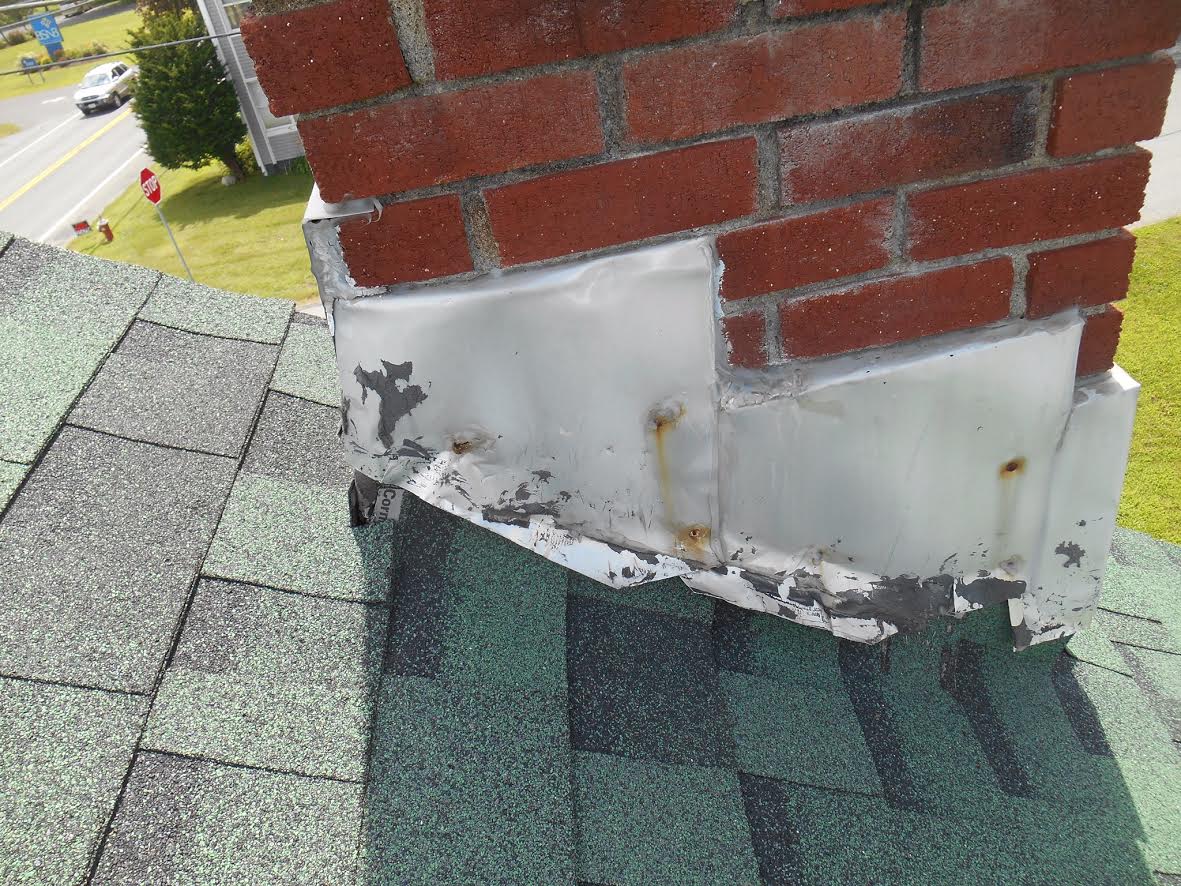
- Roof: a bungalow’s roof is large relative to its living space.
- Electrical: older panels or wiring may need updating for insurance and modern loads.
- Plumbing and drains: older supply lines and sewer connections can need replacement.
- Waterproofing: basement leaks and sump pumps are common in older neighbourhoods.
- Windows and insulation: upgrades cut drafts and heating bills.
Set up a separate maintenance savings account and pay into it every month. A detailed home inspection will tell you which items are coming due. Our bungalow maintenance checklist helps you plan the work.
Bungalow tip: Ask the sellers for receipts showing when the roof, furnace, windows and panel were last replaced. A bungalow with recent big-ticket upgrades can be worth more to you than a cheaper one that needs it all.
Toronto-specific costs and rules to know
A few costs and rules apply only inside city limits. They’re easy to miss when you compare a Toronto bungalow with one in the 905 regions.
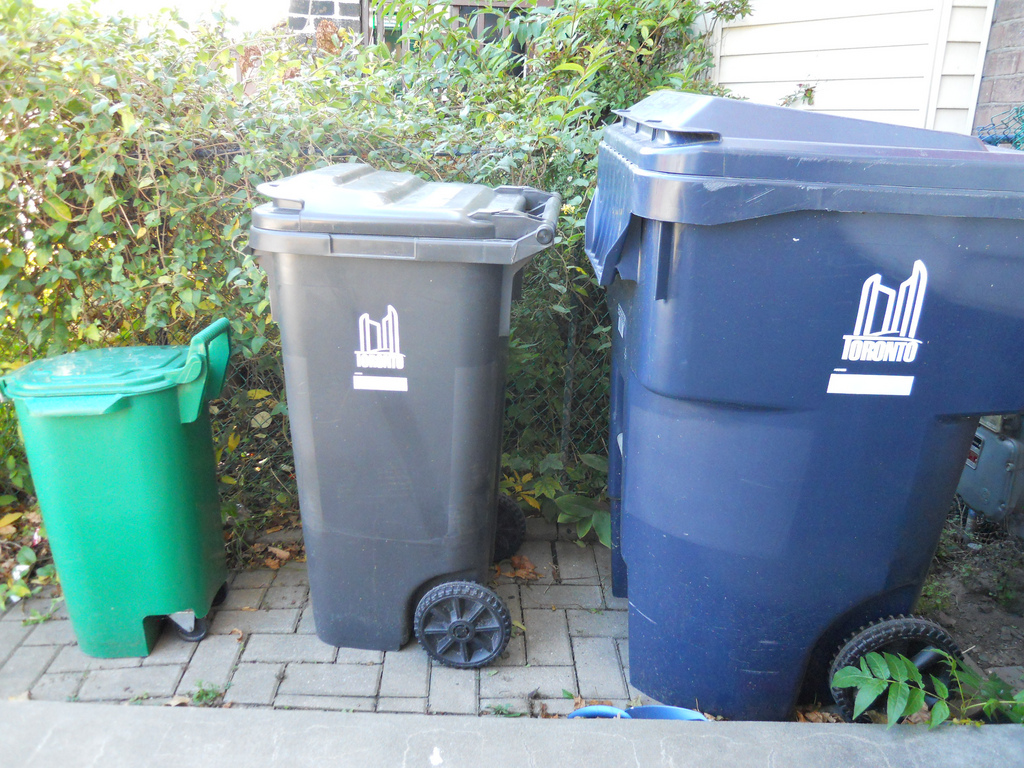
- Vacant Home Tax declaration: Toronto homeowners must declare their home’s occupancy status every year. Miss it, and the city may treat the home as vacant and bill you.
- Tree protection: removing or injuring larger trees on private property can require a city permit. Mature lots are a bungalow perk, but plan landscaping with this in mind.
- Basement flooding programs: the city has offered subsidies for backwater valves and related flood-protection work. Check what’s available before you renovate.
- Parking: some older streets rely on permit parking, which adds a recurring cost if your bungalow has no driveway.
Ways to lower the cost of owning a bungalow
- Add rental income. Ontario now allows up to three units on most urban lots. A legal basement suite can help carry the mortgage. Browse bungalows with a separate entrance.
- Use first-time buyer programs. The FHSA, RRSP Home Buyers’ Plan and land transfer rebates reduce upfront costs.
- Compare across city lines. Bungalows in Mississauga, Vaughan or Pickering skip Toronto’s land transfer tax.
- Shop insurance and renewals. Compare quotes every year and at every mortgage renewal.
Frequently asked questions
How much do I need saved to buy a $1 million bungalow in Toronto?
At minimum, $75,000 for the down payment plus closing costs, which include about $32,950 in combined land transfer tax before rebates. Most buyers should also keep a cushion for moving and early repairs.
Are bungalows more expensive to maintain than two-storey homes?
Not always, but they have more roof and foundation per square foot. Single-level living also makes many jobs easier, such as cleaning gutters and painting.
Does a basement apartment really help with costs?
A legal, permitted unit can provide steady rental income and may help you qualify. It must meet zoning, Building Code and Fire Code rules.
The bottom line
Owning a bungalow in Toronto costs more than the mortgage payment. Budget for land transfer tax, insurance, utilities and especially maintenance, and you’ll avoid the surprises that catch many first-time owners.
Ready to compare real homes and real numbers? Explore bungalows for sale in Toronto and talk to a mortgage agent and insurance broker before you commit.

Join The Discussion