
A garden suite is a small, detached home built in the backyard of a house, separate from the main dwelling. Toronto allows garden suites on many residential lots, and Ontario rules permit up to three units on most serviced urban lots, such as a main house, a basement apartment and a garden suite. You still need a building permit and must meet zoning, Building Code and Fire Code rules.
Key takeaways
- A garden suite is a detached backyard home; a laneway suite faces a public lane.
- Ontario’s Bill 23 allows up to three units on most serviced urban residential lots.
- You need a building permit, and some lots also need a minor variance.
- Bungalows on deep lots are often good candidates for a garden suite.
What is a garden suite?
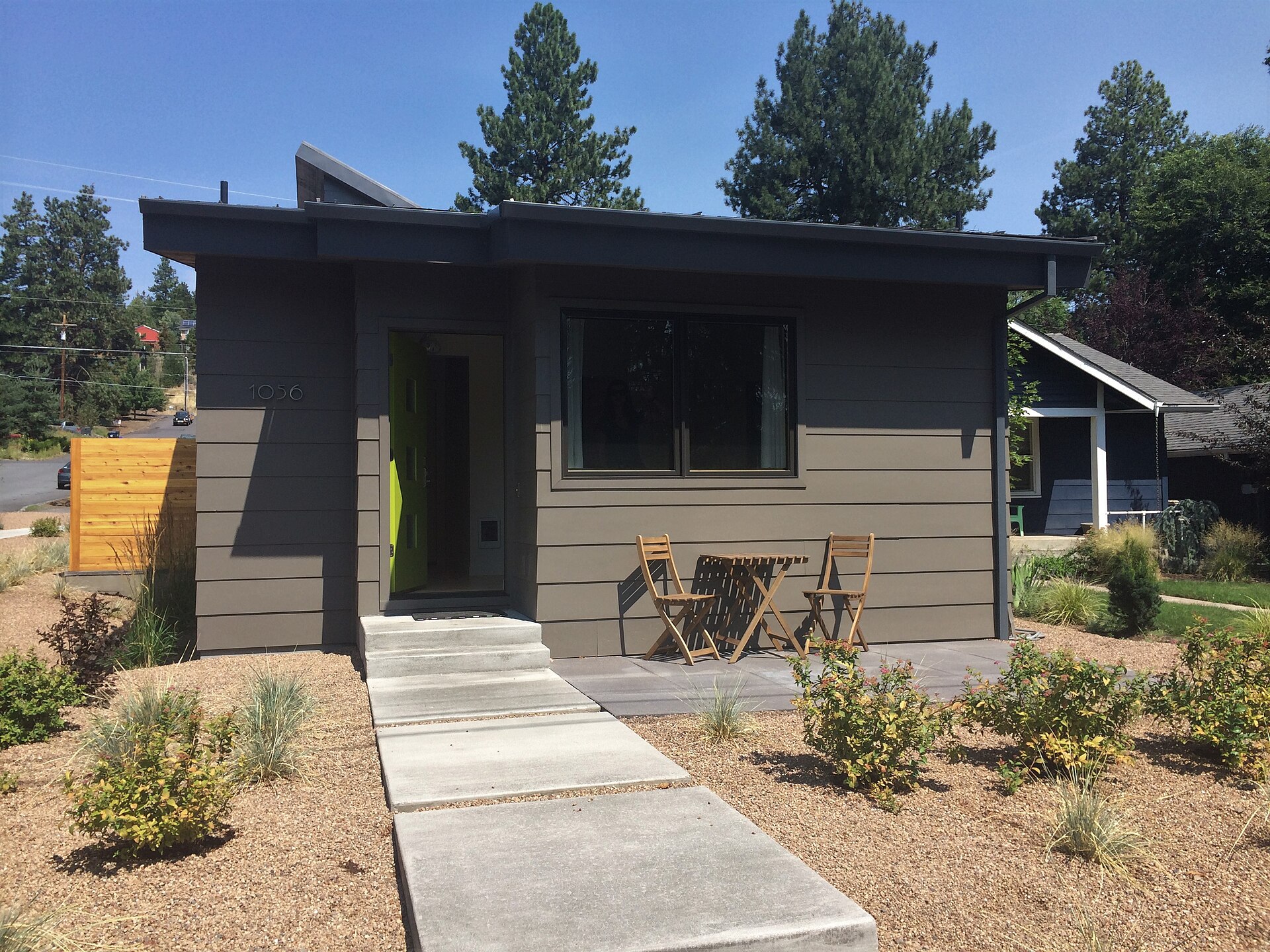
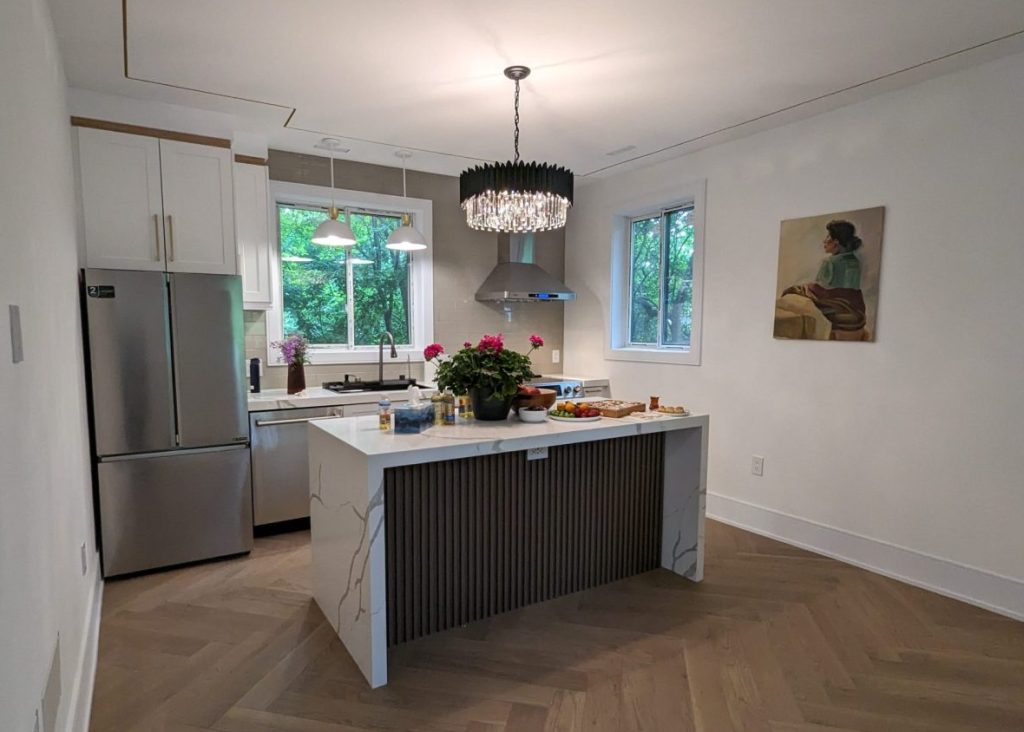
A garden suite is a self-contained home in your backyard. It has its own kitchen, bathroom and sleeping space, and it’s separate from the main house. It belongs to the same property, so you can’t sell it on its own.
Homeowners build them for different reasons:
- A home for aging parents close to family.
- A first home for adult children.
- Rental income to help with the mortgage.
- A space to downsize into while renting out the main house.
Garden suites vs laneway suites
Toronto allows both, and people often mix them up.
| Feature | Garden suite | Laneway suite |
|---|---|---|
| Location | Backyard of a lot without a public lane | Rear of a lot that backs onto a public lane |
| Access | Usually via a path from the street | Usually from the lane |
| Common areas | Inner suburbs and many neighbourhoods across the city | Older central neighbourhoods with laneways |
| Rules | Toronto’s garden suite by-law | Toronto’s laneway suite by-law |
Our guide to laneway houses covers that option in more detail.
Are garden suites allowed on my property?
Many Toronto residential lots can have a garden suite, but not every lot qualifies. The city’s zoning rules control things like size, height, distance from the main house and lot lines, and access for firefighters. Ravine-protected or flood-prone lots have extra limits.
Ontario’s More Homes Built Faster Act (Bill 23, 2022) allows up to three residential units on most urban residential lots with municipal services. That’s the provincial baseline. The details are still set by the City of Toronto’s zoning by-law, the Ontario Building Code and the Fire Code.
If your plan doesn’t fit the rules exactly, you may need a minor variance from the Committee of Adjustment. A designer or architect who has worked on garden suites can tell you quickly whether your lot is a good candidate.
The approval process, step by step
- Check your zoning and lot size with the city’s online tools.
- Hire a designer or architect familiar with garden suites.
- Confirm fire access, which is a common sticking point on narrow lots.
- Plan servicing: water, sewer, hydro and gas connections.
- Apply for a minor variance if your design needs one.
- Apply for a building permit.
- Build, with inspections at each required stage.
Timelines depend on the design, approvals and contractor availability, so build in a buffer.
Bungalow tip: Mid-century bungalows in Etobicoke, Scarborough and North York often sit on wide, deep lots. That extra backyard depth can make a garden suite easier to fit while keeping usable yard space for the main house.
What does a garden suite cost?
Costs vary widely based on size, design, finishes, servicing distance and site conditions. Running water and sewer lines from the street to the back of a lot can be a significant part of the budget.
To plan well:
- Get at least three quotes from builders who have completed garden suites.
- Ask about prefabricated or modular options, which may shorten construction time.
- Budget for design, permits, surveys, servicing and landscaping, not just construction.
- Talk to your lender about financing, such as a home equity line or a refinance.
Before counting on rental income, speak with an accountant about taxes, and with your insurance broker about coverage for a second dwelling.
Does a garden suite add value to a home?
A well-built, permitted garden suite can make a property more appealing to multigenerational families and investors. It can also help with carrying costs if you rent it out.
That said, value depends on the build quality, the neighbourhood and what buyers in your area want. It isn’t guaranteed to add more than it costs. If you’re shopping for a lot with garden suite potential, browse investor-friendly bungalows or Toronto bungalows with deep lots.
Renting out a garden suite
Garden suite tenants are covered by Ontario’s residential tenancy rules, just like any other tenant. Use the Ontario standard lease, screen carefully, and know your obligations as a landlord. Our post on long-term vs short-term tenants can help you decide on your approach.
Frequently asked questions
Can I sell a garden suite separately from my house?
No. A garden suite is part of the same property as the main house and can’t be severed and sold on its own under the garden suite rules.
Do I need a permit to build a garden suite in Toronto?
Yes. A building permit is required, and some projects also need a minor variance from the Committee of Adjustment.
Can I have a basement apartment and a garden suite?
On many serviced urban lots, yes. Ontario rules allow up to three units, but your lot must meet zoning, Building Code and Fire Code requirements.
Can I rent out my garden suite?
Yes, in most cases. Tenants have the same rights under Ontario’s residential tenancy rules as tenants in any other rental home.
The bottom line
Garden suites give Toronto homeowners a way to house family or earn rental income without moving. The rules are more open than they used to be, but every lot is different.
Start with your zoning, talk to an experienced designer, and get proper quotes before you commit.

Join The Discussion