
House hacking is when you buy a home, live in one part of it and rent out another part to help pay the mortgage. In Ontario, the most common version is living upstairs in a bungalow and renting a legal basement apartment. Done well, it lowers your housing costs and helps you build equity faster, but it also makes you a landlord.
Key takeaways
- House hacking uses rental income to offset your mortgage.
- Bungalows with full basements and side doors are well suited to it.
- A legal, permitted unit protects you on insurance, safety and resale.
- You become a landlord, with rights and duties under Ontario law.
How house hacking works
The idea is simple. Instead of paying the full cost of your home yourself, a tenant pays part of it through rent.
Here’s what a typical house hack looks like:
- You buy a home that has, or can have, a second unit.
- You live in one unit as your principal residence.
- You rent the other unit to a tenant.
- The rent helps cover your mortgage, taxes and utilities.
- Over time, you build equity while paying less out of pocket.
Some people later move out and rent both units, turning their first home into a full rental property.
Types of house hacking in Ontario
| Setup | How it works | Things to consider |
|---|---|---|
| Basement apartment | Live upstairs, rent a self-contained lower unit | Needs permits, fire separation and egress |
| Garden suite | Rent a detached unit in the backyard, or live in it | Zoning, servicing and building costs |
| Renting rooms | Rent bedrooms in the home you live in | Shared space and less privacy |
| Duplex or triplex | Live in one unit of a multi-unit building | Higher price, more landlord duties |
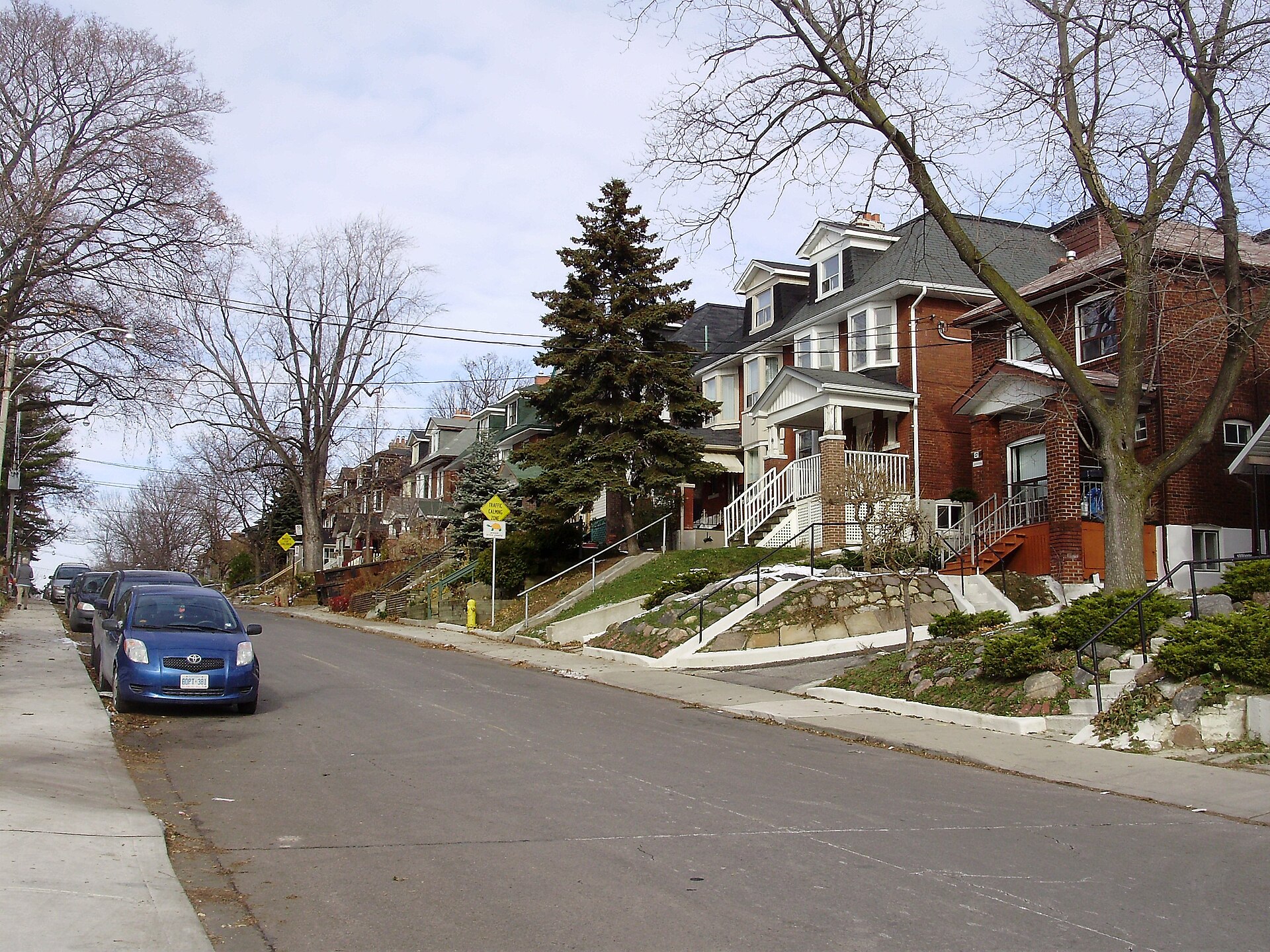
Ontario’s More Homes Built Faster Act (Bill 23, 2022) allows up to 3 residential units on most serviced urban residential lots. That opens more house hacking options for GTA owners.
Why bungalows are great for house hacking
Bungalows have a few built-in advantages:
- Full basements that often match the main floor’s footprint.
- Side entrances on many models, which make a separate unit easier.
- Bigger lots with room for parking or a garden suite.
- Single-level living upstairs that’s comfortable for you.
Raised bungalows are especially popular because their basements have larger windows and more natural light. Browse raised bungalows for sale or our list of bungalows with a separate entrance.
Financing a house hack
Because you’ll live in the home, you may be able to buy with a smaller down payment than a pure investment property. The minimum down payment is 5% on the first $500,000 and 10% on the portion from $500,000 to $1,499,999. Insured mortgages are capped at a $1,500,000 purchase price.
First-time buyers can get a 30-year amortization on an insured mortgage, which lowers the monthly payment. You’ll still need to pass the stress test at the higher of your contract rate plus 2% or 5.25%.
Some lenders will count part of the expected rent toward your qualifying income. Rules vary, so work with a mortgage agent who understands rental suites.
Bungalow tip: Ask your mortgage agent how lenders treat rent from an existing legal unit versus a unit you plan to build. It can change how much you qualify for.
Keep it legal
An illegal basement apartment can create serious problems. Insurance may not cover claims, the city can order changes, and tenants may be at risk in a fire.
A legal second unit usually needs:
- A building permit and inspections.
- Fire separation between units.
- Egress windows or a safe exit from each bedroom area.
- A separate entrance, or a compliant shared one.
- Working smoke and carbon monoxide alarms.
Many GTA cities, including Brampton, also require you to register the unit. Check your municipality’s rules before you buy or build.
Pros and cons of house hacking
The pros
- Lower monthly housing costs.
- Faster equity building.
- A path into investing without buying a second property.
The cons
- Less privacy, with a tenant close by.
- Landlord duties, from repairs to rent collection.
- Risk of vacancy or a difficult tenant.
Before you commit, picture daily life. You’ll share a driveway, maybe a laundry room, and you’ll hear footsteps. Clear house rules in the lease, such as quiet hours and parking spots, help everyone get along.
As a landlord, you must follow Ontario’s Residential Tenancies Act, use the Ontario Standard Lease and understand how the Landlord and Tenant Board works.
Frequently asked questions
Is house hacking legal in Ontario?
Yes, as long as the rental unit meets zoning, building and fire code rules. Renting an illegal unit can lead to orders, fines and insurance problems.
Can first-time buyers house hack?
Yes. Many first-time buyers use a basement unit to help qualify and lower their costs. A mortgage agent can tell you how rent affects your approval.
Do I pay tax on rent from my basement unit?
Rental income is generally taxable, and some expenses can be deducted. Talk to an accountant about how it affects your taxes and any future sale.
What’s the best type of bungalow for house hacking?
Raised bungalows and bungalows with side entrances and good basement height are often the easiest to set up with a legal second unit.
The bottom line on house hacking
House hacking can make a GTA bungalow more affordable and give you a head start as an investor. It works best with a legal unit, careful tenant screening and a realistic budget.
If you’re ready to look, set up new-listing alerts for bungalows with income potential in your area.

Join The Discussion