
Lot size matters because it shapes your property’s value, what you’re allowed to build and whether you could ever add a unit or split the lot. Frontage, the width along the street, and depth, the distance from front to back, decide how much room you have for additions, garages, garden suites and outdoor space. For bungalow owners, the land is often the most valuable part of the property.
Key takeaways
- Wider and deeper lots often support higher values in established areas.
- Zoning rules use lot size to set what you can build.
- A big lot may allow a garden suite or, in some cases, a severance.
- Always confirm lot dimensions with a survey, not just the listing.
How lot size affects property value
Two bungalows of the same size can sell for very different prices because of the land under them. In many GTA neighbourhoods, buyers pay more for:

- Wider frontage: room for a double driveway, a two-car garage and a grander curb appeal.
- Deeper lots: bigger backyards, space for a pool or garden, and more privacy.
- Regular shapes: rectangular lots are easier to build on than odd shapes.
- Rebuild potential: builders and custom-home buyers often look for wide lots in established areas.
Shape matters too. A pie-shaped lot on a crescent may have narrow frontage but a wide, deep backyard. Our guide to frontage vs depth explains how to read these measurements.
What lot size means for building and renovating
Your municipality’s zoning by-law uses lot size to set limits on what you can build. Key rules often include:
| Zoning rule | How lot size affects it |
|---|---|
| Setbacks | Minimum distances from the front, side and rear lot lines |
| Lot coverage | The share of the lot the buildings can cover |
| Floor area limits | Some areas cap total floor area relative to lot size |
| Driveway and garage width | Often tied to frontage |
| Accessory buildings | Size and placement of sheds, garages and garden suites |
A wider, deeper lot gives you more room within these limits. That can mean space for a rear addition, a larger garage or a wider driveway, while still leaving a good-sized yard. Our post on adding to a bungalow covers the options.
Lot size and adding units
Ontario’s More Homes Built Faster Act (Bill 23, 2022) allows up to 3 residential units on most serviced urban residential lots. In practice, whether you can add a garden suite often depends on your lot.
- Depth gives room for a garden suite while keeping a usable yard.
- Side yard width affects whether there’s a clear path for fire access.
- Rear lane access can make a laneway suite possible where lanes exist.
Check your city’s zoning by-law and the Ontario Building Code and Fire Code before you plan. Permits are still required.
Bungalow tip: Many GTA bungalows sit on lots wider and deeper than newer homes nearby. If you’re buying, ask for the survey early and look at what the zoning would allow on that land.
Can you sever a large lot?
Severance means splitting one lot into two or more separate lots. It’s one of the biggest ways lot size can add value, but it isn’t simple.
- Each new lot must usually meet the minimum frontage and area in the zoning by-law.
- You apply to your municipality’s Committee of Adjustment or land division committee.
- Neighbours are notified and can comment or object.
- Conditions often include surveys, servicing and fees.
Approval isn’t guaranteed, and the process takes time. Talk to a land use planner or real estate lawyer before you count on it. Our guide on splitting a bungalow lot goes deeper.
Lot size when you sell
If you’re selling a bungalow on a large or unusual lot, make the land part of your story. Buyers and builders may see potential you take for granted.
- Share the survey with your listing so buyers can see exact dimensions.
- Mention zoning that may allow a garden suite or addition, after confirming it with the city.
- Highlight features like a rear lane, a deep pie-shaped yard or a wide side yard.
A good agent will compare your home to recent sales on similar lots, not just similar houses.
How to confirm your lot size
Listings usually show lot size as frontage by depth, in feet or metres. Treat those numbers as a starting point, not a guarantee. They may be rounded, measured at a different point or copied from an old listing.
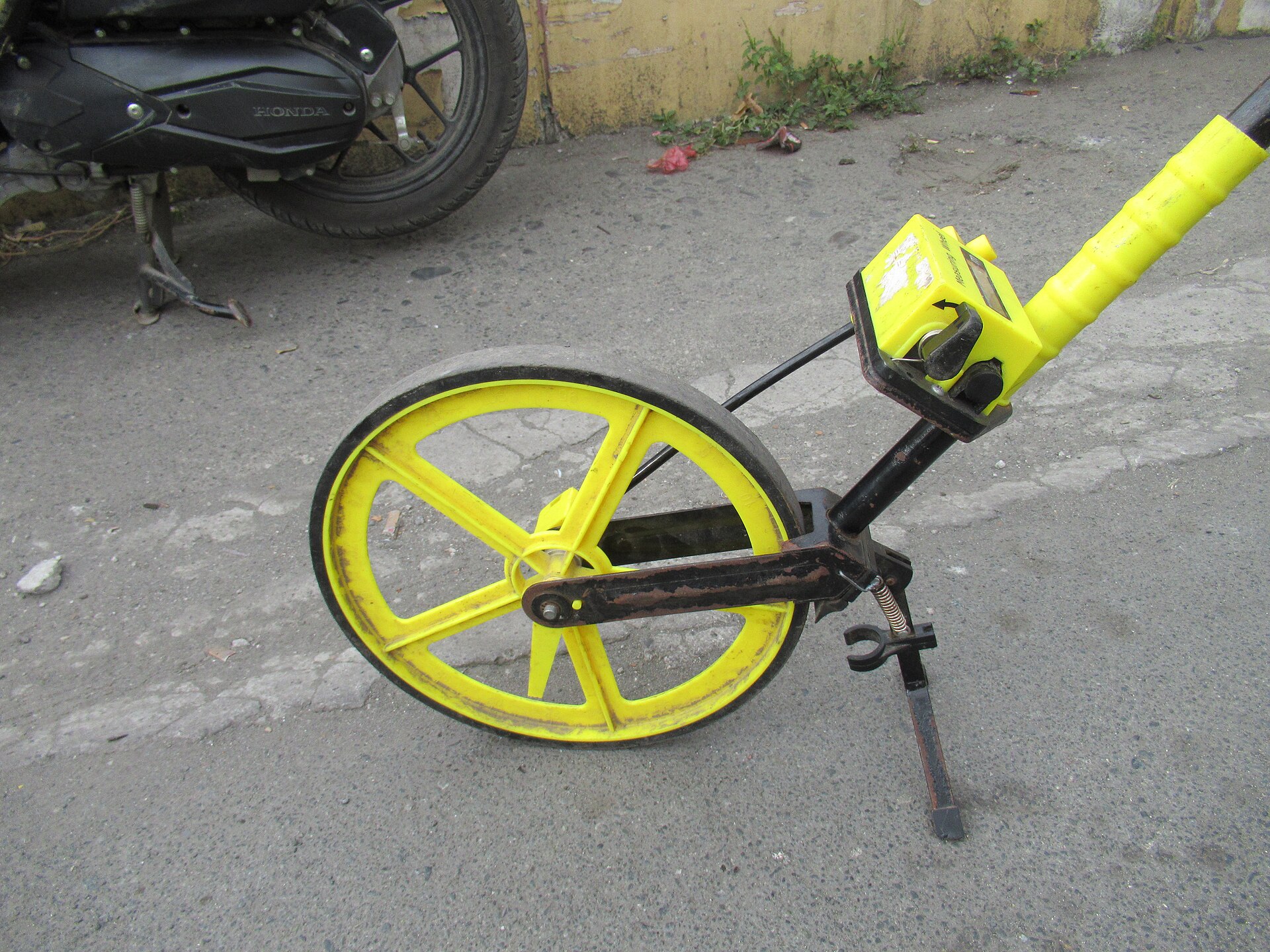
- Get the survey. A survey shows exact boundaries, structures and easements.
- Check irregular lots. Listings may show “irregular” with several measurements.
- Look for easements. Utility or access easements can limit where you build.
- Ask your lawyer. They’ll review title and any survey issues before closing.
Frequently asked questions
Does a bigger lot always mean a higher price?
Not always. Location, shape, zoning and the home itself all matter. In many established GTA areas, though, wider and deeper lots tend to attract strong interest.
What is a good lot size for a bungalow?
It depends on your plans. If you want a garden suite, pool or future addition, look for more depth and width. Check zoning to see what each lot allows.
Can I build a garden suite on any lot?
No. It depends on your municipality’s zoning, lot size, servicing and fire access. Check with your city before you plan.
How do I find my property’s exact lot size?
Your survey is the best source. Your lawyer or the land registry office can help if you don’t have one.
The bottom line
Lot size affects your home’s value, what you can build and whether you can add units or split the land. Knowing your frontage and depth helps you plan smarter and price your property accurately.
Curious what your bungalow and its lot could be worth? Get a free home evaluation.


Join The Discussion